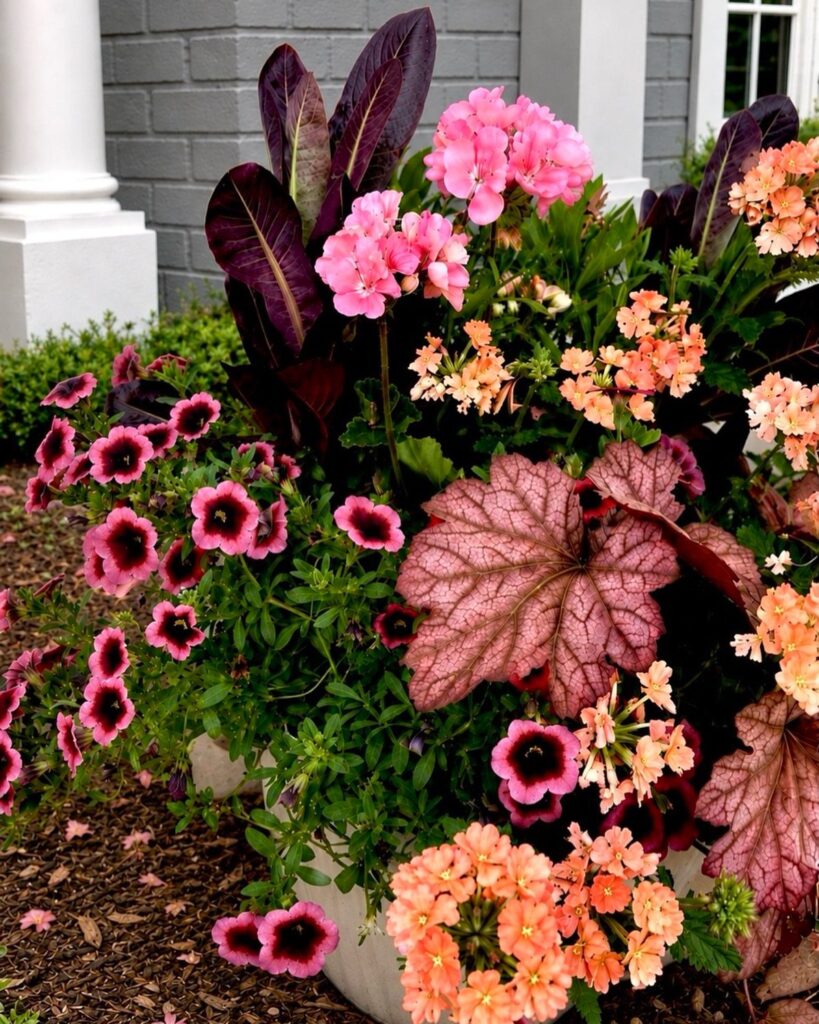
Container garden ideas run from salvaged window greenhouses to concrete planters that need engineering review.
What picks one for you is how permanent your spot is, whether you can still lift the pot when it is full of wet soil, and how much sun your space gets.
A 14-inch container takes two of each plant in a recipe; a multi-pot cluster lets you rearrange the whole garden in an afternoon.
1. Thriller, Filler, Spiller
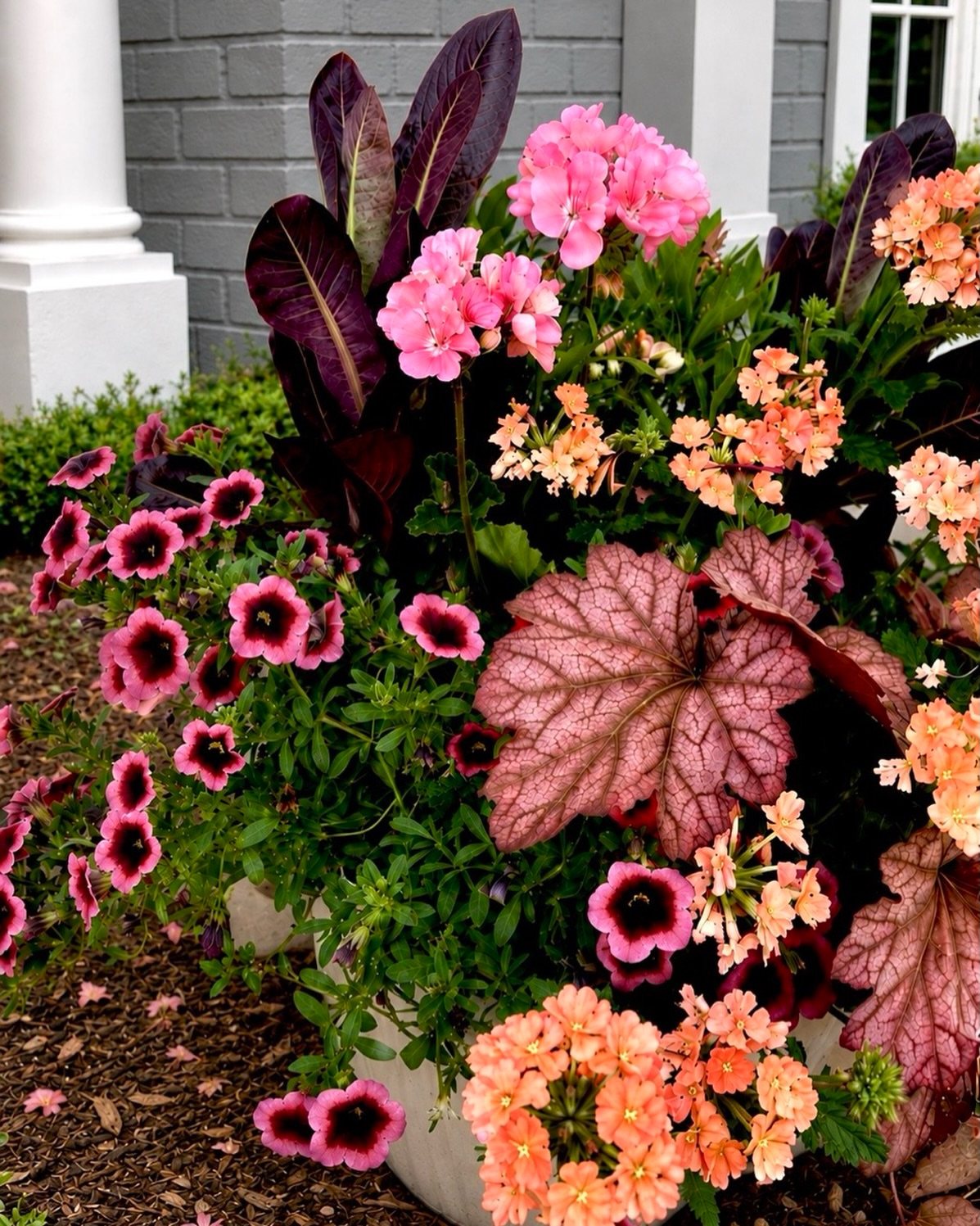
The thriller-filler-spiller rule is the simplest way to stop a container from looking like a random pile of plants.
A tall central plant, medium ones to fill the gaps, and something trailing over the edge give height, body, and movement without any design training on your part.
Against a wall, put the tall plant at the back so it does not shade everything else. In the open, center it and ring with fillers and spillers for a view from every side.
I have broken this rule plenty and ended up with lopsided pots that lean away from the house like they are trying to escape.
2. Container Garden Recipes
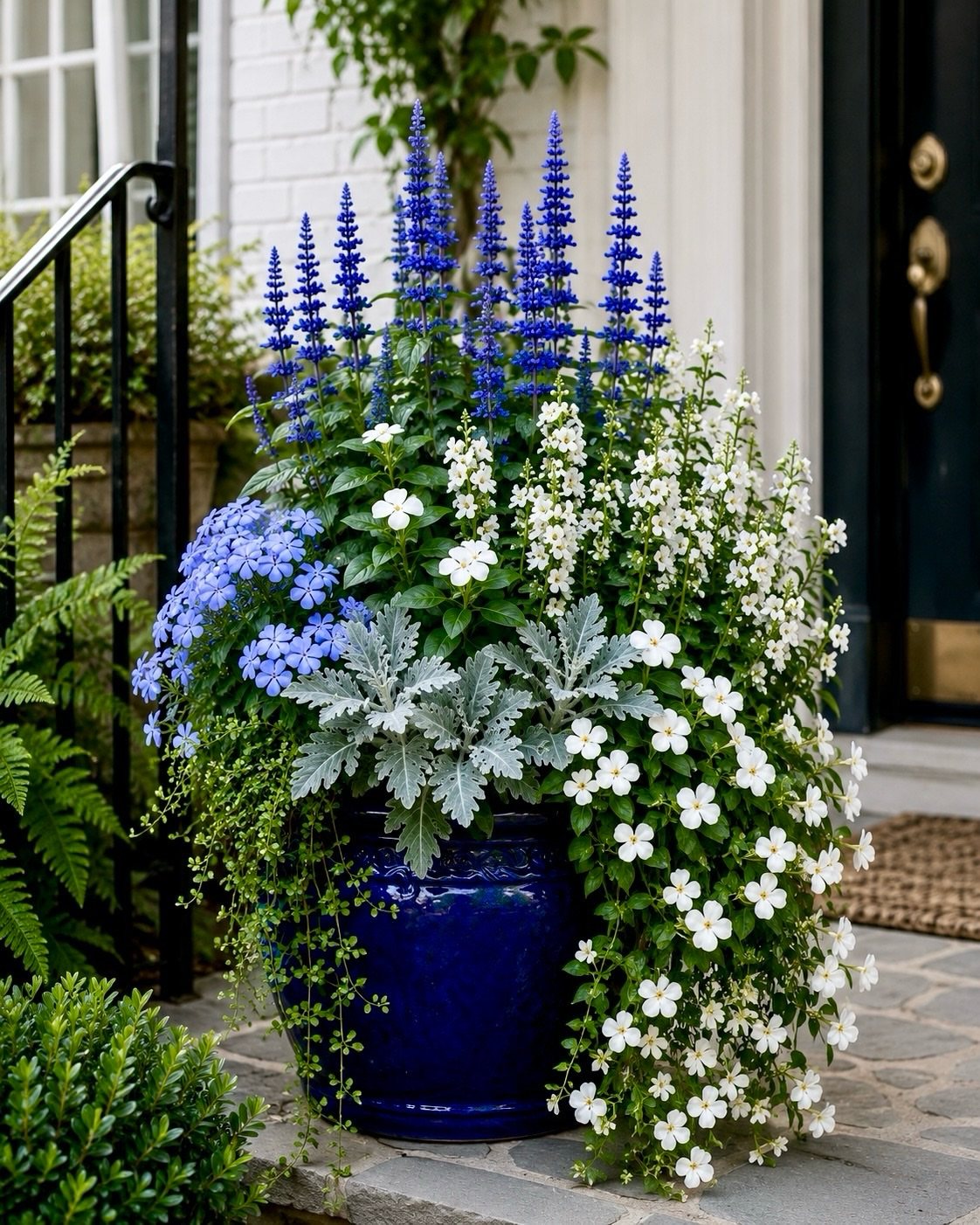
A recipe takes the guesswork out of which plants get along in one pot. Buy two of each plant for a 14-inch container, three each for anything larger, so the mix stays balanced as it fills out.
I like recipes because they tell you what the nursery will actually have in stock at the same time.
Pick a recipe built for your light conditions, not just your color preferences, or you will be moving a heavy pot by July to save half the plants.
3. Tiered Bucket Planter Shelves

Tiered bucket shelves turn vertical space into growing room when floor space is the limiting factor. Cut-down plastic buckets stay lightweight enough to rearrange as seedlings grow or sun patterns shift.
Wood rots, metal heats in sun, and both change how often you water. I would check that the tiers drain somewhere other than onto the plants below, or the top row becomes a daily shower for the bottom.
This setup suits someone starting seeds or keeping herbs close to the kitchen door; full-sized tomatoes will outgrow it fast.
4. Galvanized Metal Tub Planters
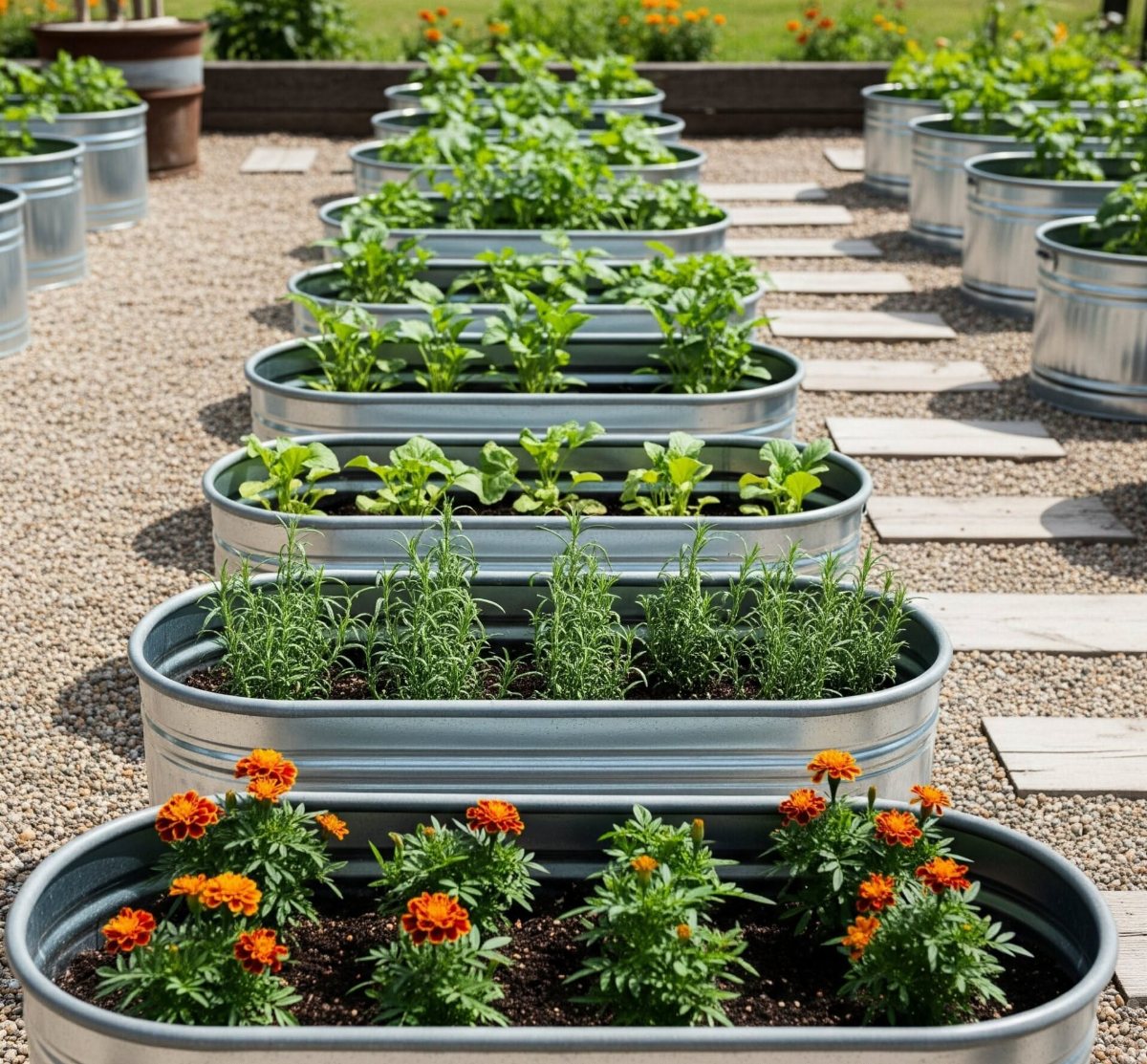
Galvanized tubs carry a farmhouse look without the farmhouse acreage. The oval shape sits steady on gravel and holds more soil than it appears to, which means less frequent watering than a small pot.
Drill drainage holes if they are missing; standing water kills plants faster than dry soil. Galvanized metal heats up in full sun, so I would line the sunny side with something, or choose plants that tolerate warm roots.
Rosemary and marigolds handle it; lettuce wilts by noon. Put the tubs on casters if you need to roll them out of the way for a patio dinner.
5. Fabric Container Raised Beds
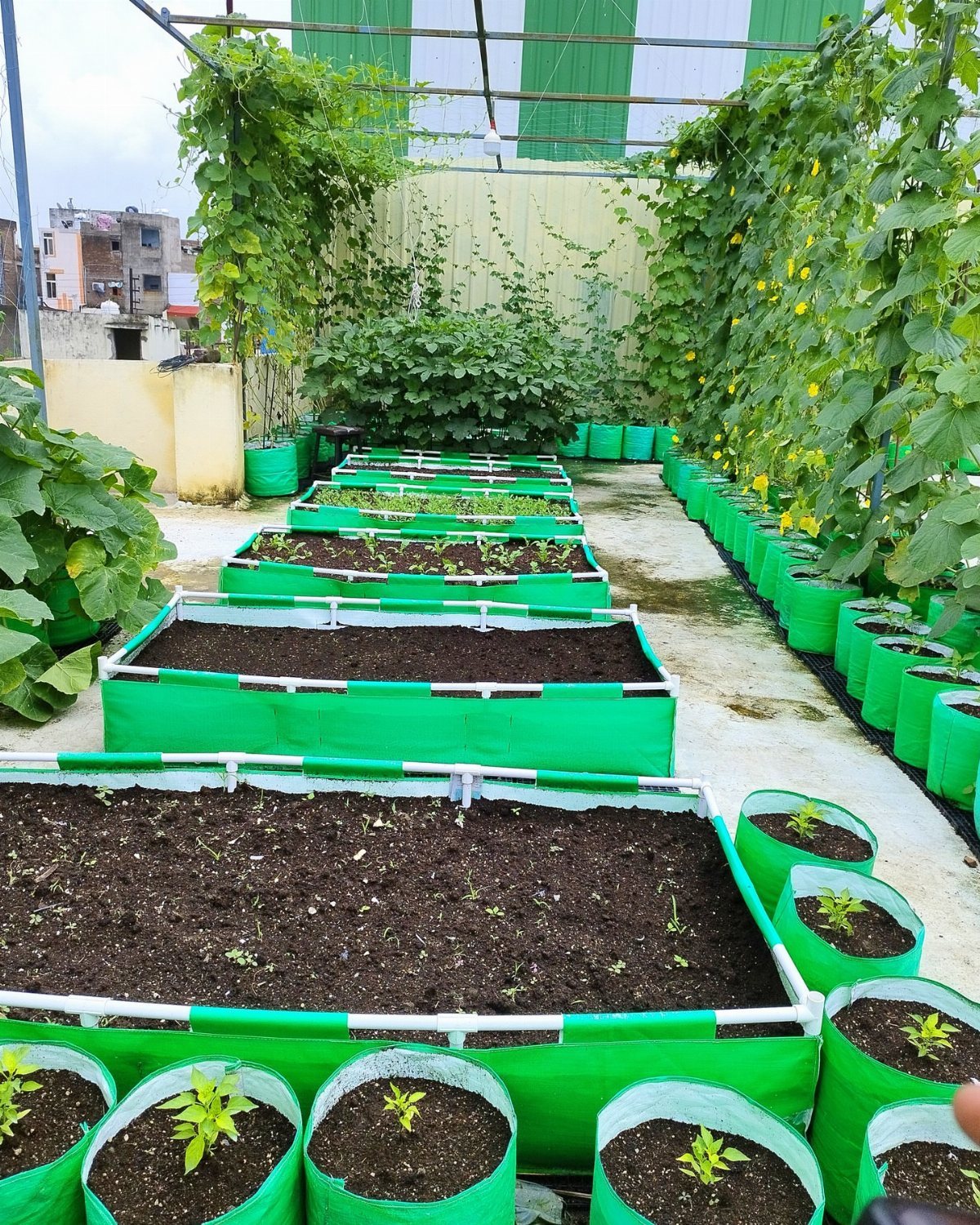
Fabric beds and grow bags let you build a raised bed on rental ground or a rooftop where lumber would be too heavy or too permanent.
Green fabric softens the industrial look of a rooftop and folds flat at season’s end.
Soil in fabric dries faster than in wood or metal, so check moisture more often in July. Set the bags slightly above the surface so drainage holes do not clog against concrete; broken brick or pot feet work.
I use these for potatoes and peppers, crops that do not mind the warmth, and save the permanent beds for perennials I want to keep long term.
6. Shallow Succulent Bowl
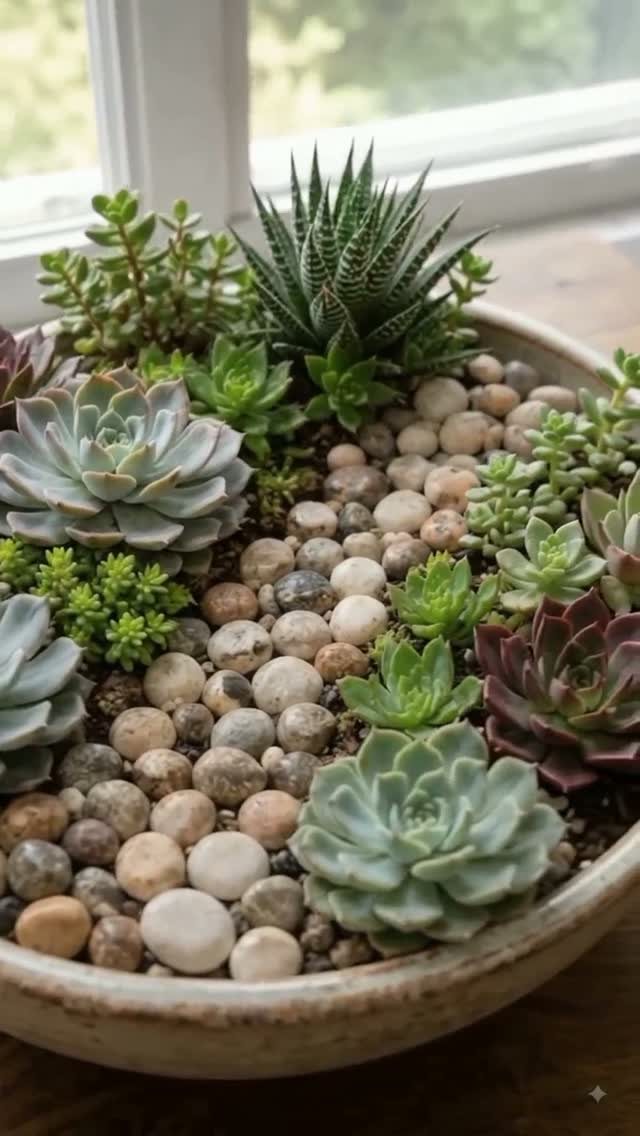
A shallow bowl of succulents asks for almost nothing after it is planted. A low profile suits a windowsill, a narrow balcony railing, or the corner of a desk that gets decent light.
Drainage matters more than depth: an inch of water sitting in a shallow bowl rots roots in days. I mix grit into the potting soil, half and half, and top with river stones to keep the crown dry.
This is not a project for someone who wants fast growth or big change; haworthia and echeveria hold their look for months at a time.
Choose it for a spot you walk past every day, not one you visit with a watering can.
7. Stone Urn Statement Planter
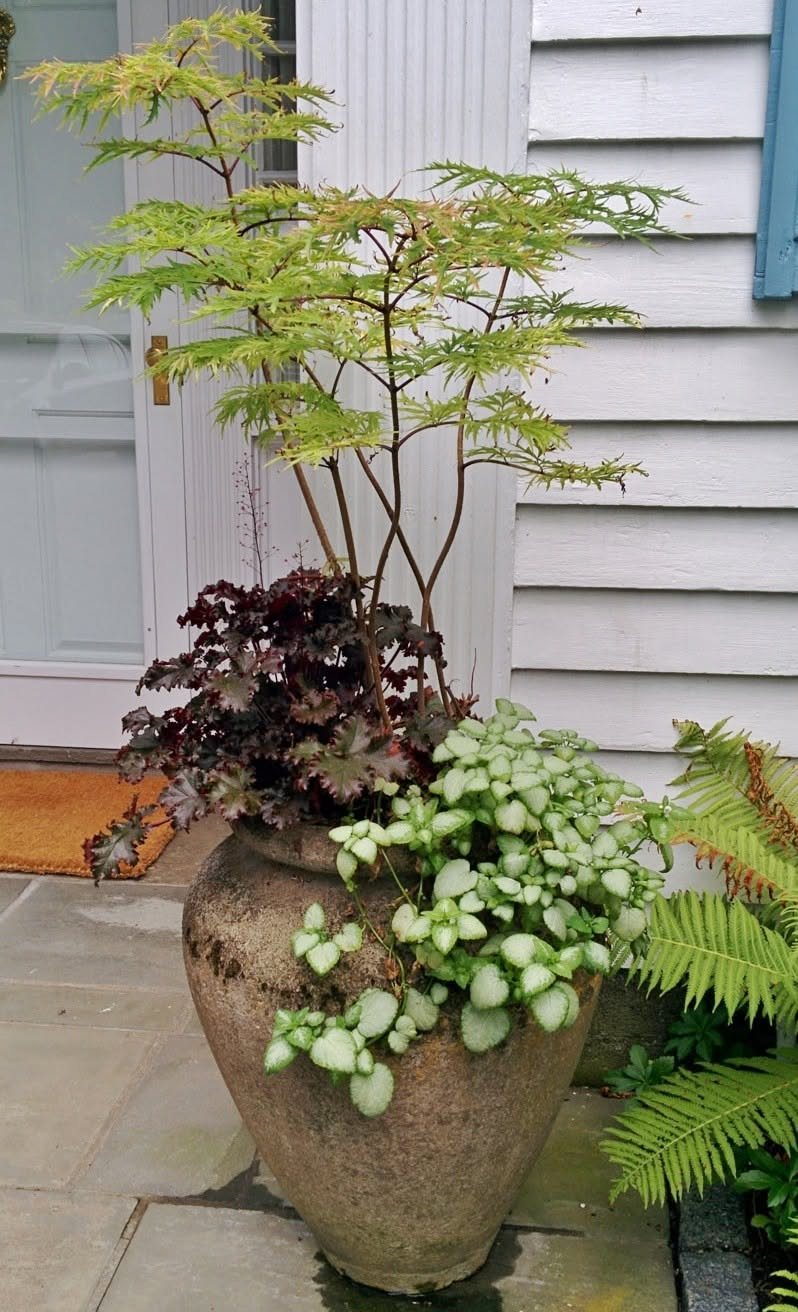
A heavy stone urn beside a doorway stops people cold.
The weight alone means you commit to a spot and build around it, which is exactly what makes it work for a small yard: one strong piece does the job of scattered pots.
I favor the weathered classical shapes over anything too clean. The chips and moss stains read as history, not neglect, and they soften the formality.
Pair upright structure like a Japanese maple with something dark and low at the rim, then let a trailer spill over the edge. The contrast in height and texture matters more than the specific plants.
Leave it empty in winter if the urn itself earns attention. A striking container often looks better alone than stuffed with twigs for the sake of filling space.
My threshold is whether I find myself looking at the pot or past it; if the pot wins, I pull the plants and let it stand.
8. River Stone Planter Box
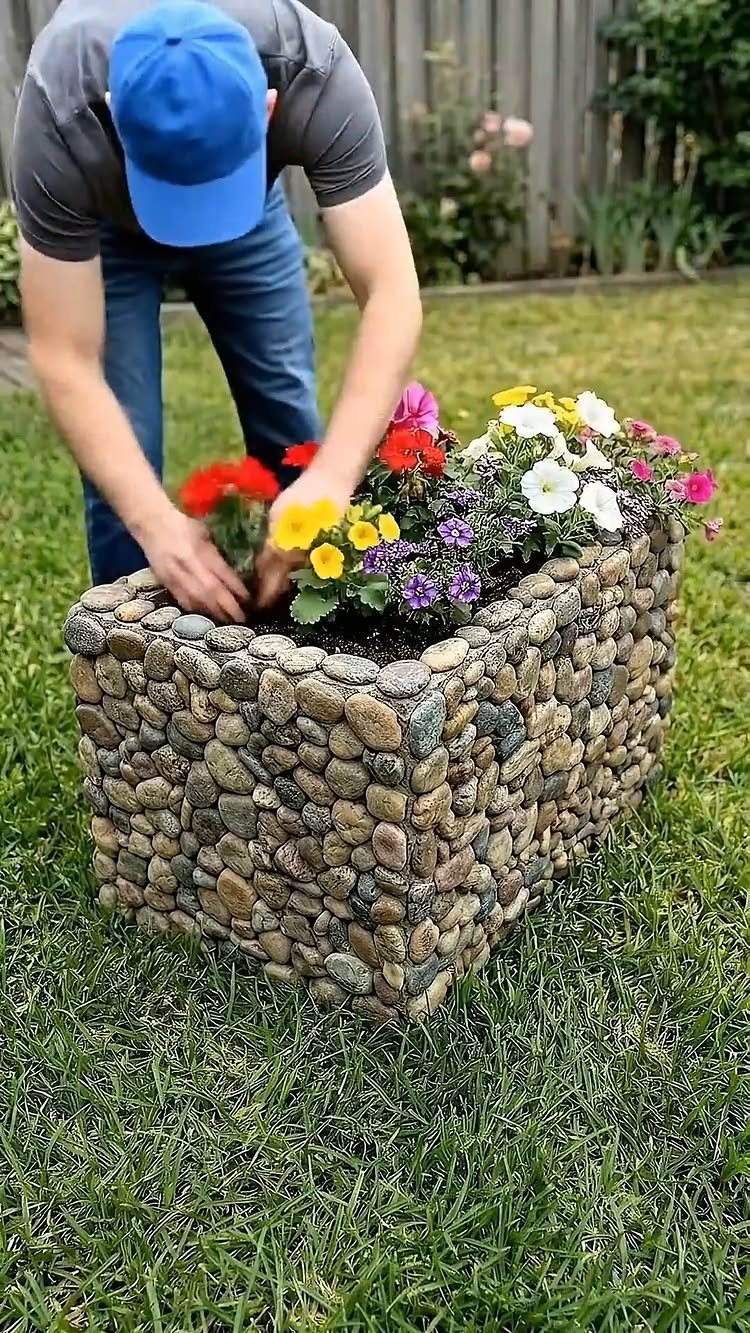
River stones set into mortar make a planter that looks found rather than built. The rounded rocks catch light differently than cut stone, and the gaps between them drain better than a solid wall.
The work is two weekends minimum, one for the base and frame, another for setting stones.
I used a simple rectangle of pressure-treated 2 x 4s as the inner box, then applied mortar with a trowel and pressed stones in place like tile. The weight becomes serious fast; build it where it stays.
Flat stones on the bottom layer keep the box from rocking. I left the top edge uneven, which hides soil line irregularities and looks less fussy than a perfect rim.
Check that your stones are dense enough; porous limestone flakes apart in freeze-thaw cycles. Granite and basalt hold.
9. Hanging Basket Foliage Ball
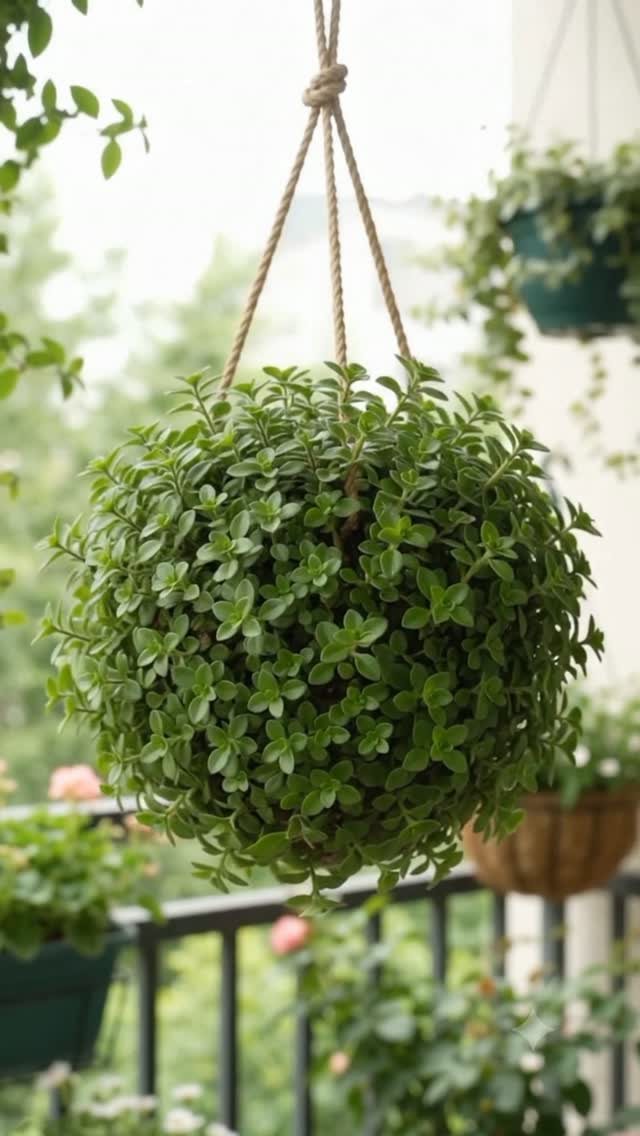
A spherical plant in a rope basket reads as sculpture from below, which matters on a balcony where you see containers from above or at eye level.
The ball shape gives you volume without the trailing mess that catches on railings.
Start with one dense plant already growing in a round form, or shape it yourself over a season.
I have had better luck buying a topiary frame and letting a small-leafed ivy fill it than trying to prune a loose plant into a sphere. The frame stays hidden once the foliage matures.
Rope hangers rot in humid climates; swap to synthetic cord there, or plan to replace natural rope on a schedule.
The basket itself can be wire lined with coir if you want side planting, though a solid ball looks cleaner with just top growth.
Water carefully; spheres dry from the outside in and the center stays wet longer than you expect.
10. Built-In Rooftop Concrete Planter
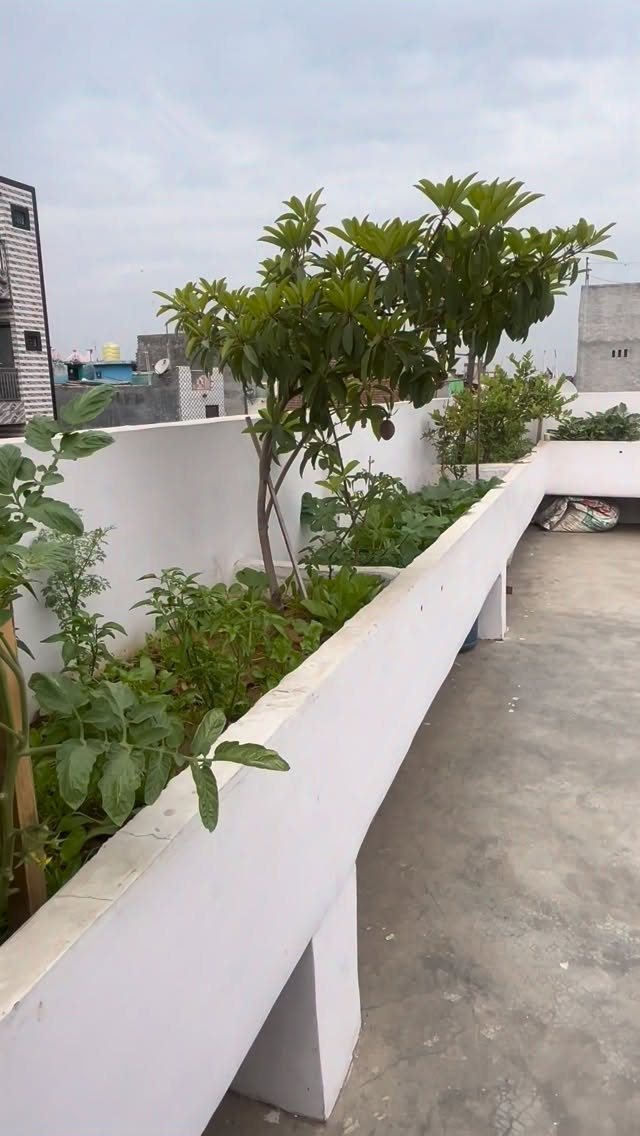
Built-in concrete on a rooftop solves the wind problem that sends lightweight pots skittering. The mass also moderates soil temperature, which matters when a roof surface bakes in July sun.
This is a landlord or a committed owner’s project, not a renter’s hack. The structure needs waterproofing at the slab, drainage through weep holes, and a soil mix light enough to keep load within engineering limits.
I have seen too many rooftop beds fail from using standard garden soil; the weight crushes the substrate and the roots suffocate.
A long trough shape along a roof edge doubles as a safety rail visually, which is why they appear on commercial terraces.
For a home build, keep the wall height low enough for planting access, or add a wide coping you can sit on while working. A light finish reflects heat; darker colors cook roots in full sun.
11. Multi-Pot Patio Cluster
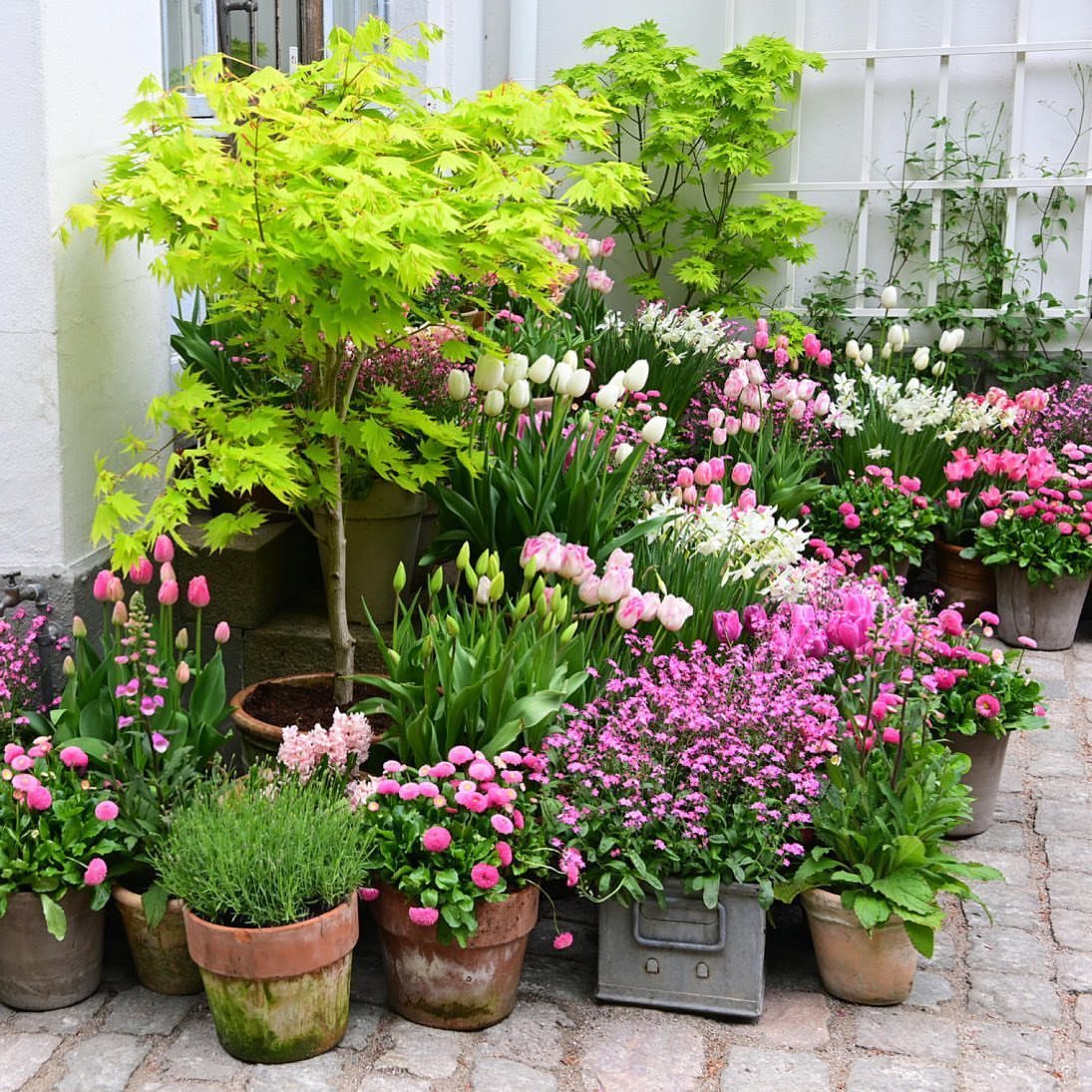
Clustering pots of different sizes and materials on a stone patio lets you move the whole garden in an afternoon.
My mother did exactly this when she downsized to a smaller yard; the containers came with her habits, and the arrangement changed with the seasons.
The risk is clutter. I keep small pots under 12 inches close to where I sit, where the detail rewards stopping.
Larger pieces anchor the group from a distance.
Rectangular containers against a wall use depth better than round pots in tight space. Stack one on a riser beside another on the ground, and you get layering without buying a stand.
I rotate based on what’s blooming, which matters more in a cluster than with isolated pots. A tired plant comes out, a fresh one drops in, and the grouping never looks finished in the static sense.
12. Balcony Tiered Plant Stand
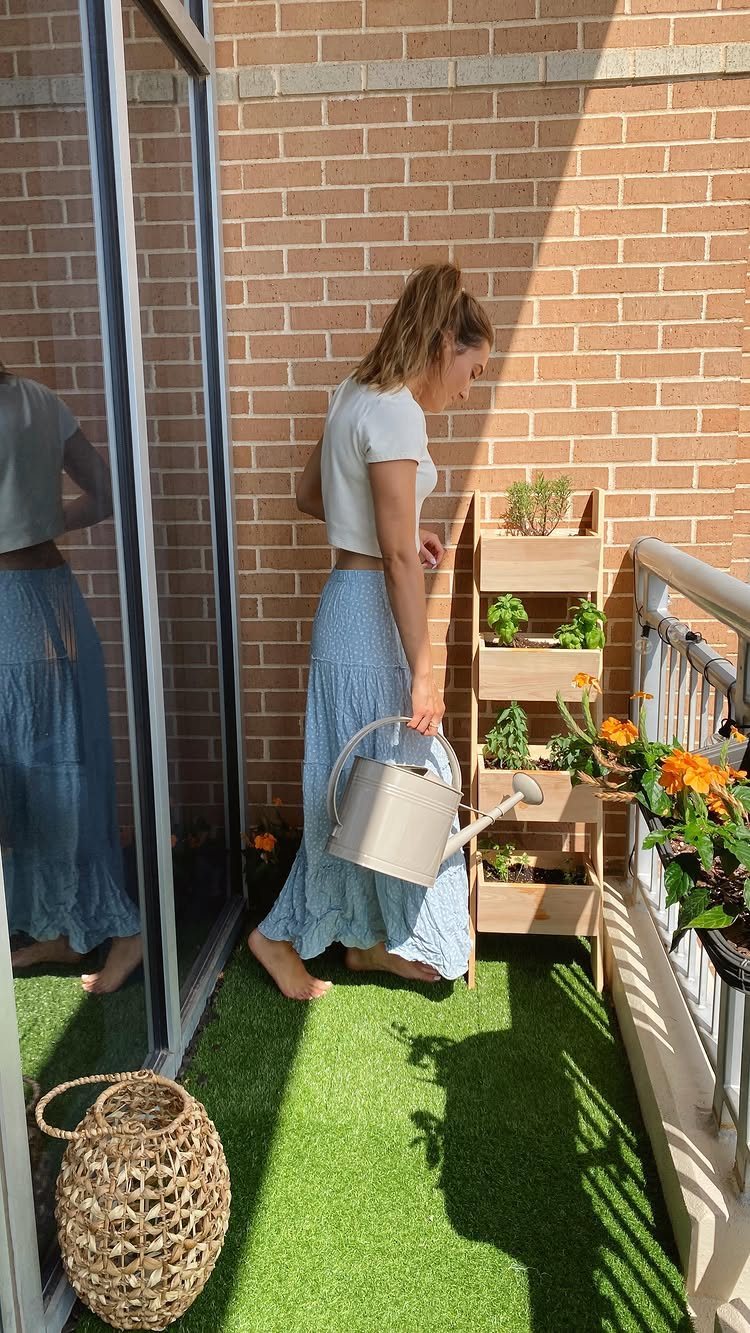
A tiered stand against a brick wall uses vertical space that would otherwise sit empty. The brick gives you a warm backdrop that makes green foliage pop, and the narrow footprint leaves room to move on a small balcony.
Wood rots fast in open weather. I seal mine with penetrating oil every spring, not varnish, which cracks and traps moisture.
An open slat design drains well and airs the pots, which matters more than the look; closed shelves hold water and breed problems.
Stack by need, not symmetry. The plant that wants afternoon shade sits lower where the wall blocks sun; the sun-hungry one goes high.
A watering can kept on the same stand keeps the routine easy; if watering feels like a project, the plants die.
Artificial turf underfoot is a choice I understand for rental balconies, though I prefer the real thing where weight allows.
Proper Drainage
Every container needs a hole in the bottom. Without it, water sits against the roots and rots them.
A pot with no hole in the bottom will drown the roots; either drill one or slip the plant into a plastic nursery pot that already has them and set that inside the decorative shell.
Gravel at the bottom does not replace a hole; it only shortens the soil column and pushes the water line higher. I skip the gravel layer and use that space for soil the roots can actually reach.
Terra cotta cracks in freeze-thaw cycles, and unglazed terra cotta dries out faster than glazed. Plastic holds moisture longer; metal heats up and dries faster in sun.
Small pots need water more often than large ones simply because they hold less soil. Put anything heavy on casters before you fill it; a rolling caddy costs less than a wrenched back.
Fertilizing
Potting mix is not soil; it is a scaffold that holds water and air until the next watering washes nutrients out the bottom. Container plants starve faster than plants in ground because of this leaching.
A weak dose weekly beats a heavy dose monthly. I use an organic granular at half strength, or a slow-release fertilizer if I know I will forget.
Slow-release beads run out before you think they do; I mark the calendar the day I drop them in, not the day the leaves start to yellow.
Overfeeding burns roots just as surely as underfeeding starves them. If the leaves yellow from the bottom up, the plant is likely hungry.
If tips brown and curl, you have probably been too generous.
Seasonal Interest
A container garden that looks the same in May and September is a missed opportunity. Spring bulbs in a pot give way to summer annuals, then to kale or pansies that handle frost.
The work is one afternoon of swapping, not a full replant each time.
A few spare pots sitting ready make the swap between seasons faster, and the garden never has that picked-over look.
A cluster on the patio can lose its summer star and gain a chrysanthemum while the supporting plants carry on around it.
Winter interest matters in a small space where you pass the same spot daily.
An empty urn, branches of red twig dogwood in a bucket, or a planted container of spruce tops and seedheads gives the eye something to rest on. I pull the spent summer planting before the brown becomes the main event.
Maintenance Tips
Deadheading is not cosmetic; it redirects energy from seed production back into blooms. Pinch spent flowers weekly, or cut stems back to a leaf joint when the whole stalk flags.
Pruning keeps a container from becoming a thicket. Cut out leggy growth that shades its neighbors, and thin the center so air moves through.
A dense plant in a pot stays wet longer and invites fungus.
Water at the soil surface in the morning, letting it sink in rather than misting the leaves, and you will lose less to evaporation and cut down on mildew. Leaves that stay wet overnight breed mildew.
In extreme heat, a second watering late in the day may be needed; test with your finger to the first knuckle.
Overwintering perennials in pots is harder than in ground. The roots freeze harder and thaw faster.
I sink pots to their rim in a garden bed for winter insulation, or move them to an unheated garage and water once a month if the soil is dry.
Frequently Asked Questions
What grows best in container gardens?
I grow cherry tomatoes in 5-gallon buckets every summer, and last year added a dwarf blueberry bush in a half-barrel that fruited its second season.
Leaf lettuce, basil, and compact peppers fill out my smaller pots, while a pot of ornamental grass moves around the patio depending on where I need height.
Grouping plants by their light and water needs matters more than the specific plant: my full-sun corner gets the tomatoes and peppers, while the lettuce and cilantro sit where they get afternoon shade and I can water them every morning without soaking the succulents on the other side.
I group plants by habit, not just color, or I end up moving pots by midsummer to save the ones getting too much or too little.
What are common mistakes in container gardening?
Overwatering tops the list; roots rot faster in standing water than they recover from dry soil. Poor drainage holes and mismatched plant pairings, where one needs shade and another demands full sun, run close behind.
I check that every pot drains freely and group by light and water needs before I worry about how the colors look together.
What are some good container garden layout ideas?
The thriller-filler-spiller rule gives height, body, and trailing movement without any design background.
I once put a tall canna at the front of a long planter because the foliage looked good from the window, and spent the summer looking at a pot that listed toward the driveway like it was trying to escape.