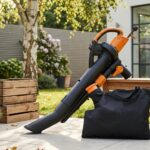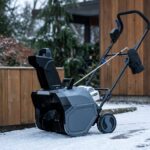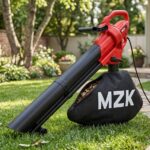
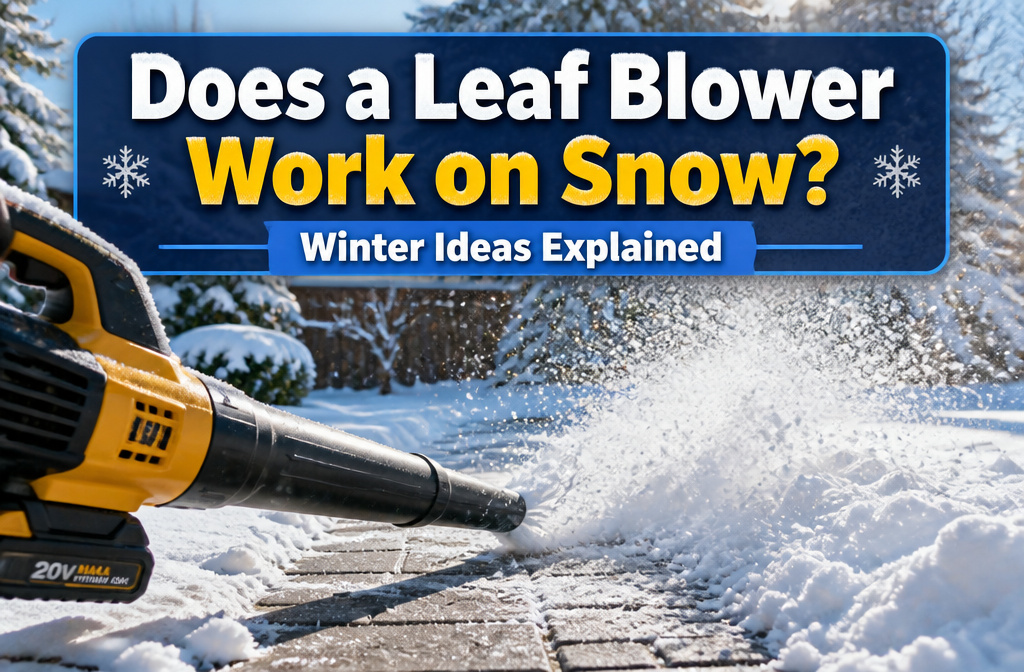
A leaf blower works on snow only when the snow is light, dry, and powdery, and only in depths of about one to three inches. Wet, heavy snow defeats it completely. I learned this the hard way last February, when I wheeled out my cordless blower after an overnight storm and found the machine simply buried its nozzle in slush that refused to lift. The snow has to be fresh and fluffy, almost like ski-resort powder, or the tool wastes your time.
1. Does a Leaf Blower Work on Snow
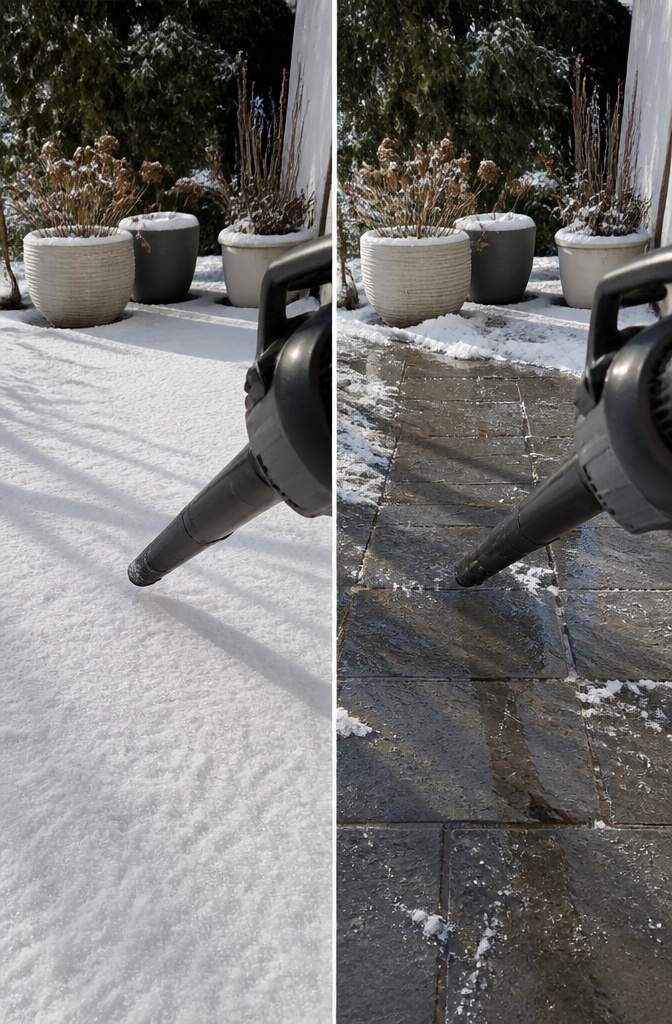
A leaf blower clears snow only when the snow is light, dry, and powdery, and only in depths of about one to three inches. Wet, heavy snow defeats it completely. I learned this the hard way last February after an overnight storm, when I wheeled out my cordless blower to clear the patio and found the machine simply buried its nozzle in slush that refused to lift. The snow has to be fresh and fluffy, almost like ski-resort powder, or the tool wastes your time. Dry snow moves with high-velocity airflow; wet snow clumps, sticks, and laughs at the motor. Even under ideal conditions, expect some blowback into your face or onto ground you already cleared. A shovel still does the better job overall, but for that thin, dusty layer on a cold morning, the blower works in a pinch.
2. What Snow Types Actually Move
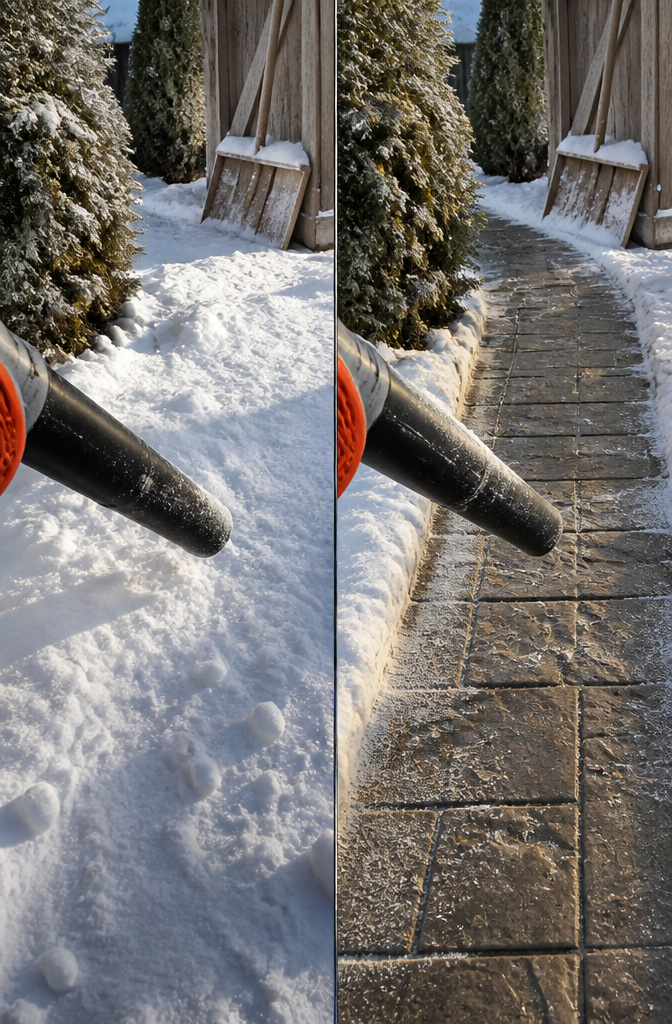
Light, dry, powdery snow is the only kind a leaf blower handles well. Wet, heavy, or slushy snow packs too tight for the airstream to lift it, so you end up pushing the same clump around instead of moving it off your walk. The practical limit is 1 to 3 inches of accumulation, and the sooner you get outside after the snowfall ends, the better your chances. Fresh snow hasn’t compacted or frozen to the surface yet, which makes the job faster and keeps you from wasting a morning on what should take ten minutes.
Gas-powered blowers pull ahead on thicker dry snow because they push more air at higher speed. Battery models work fine for a light dusting, but their output drops in cold weather and they run out of charge faster when the motor works harder. If you are deciding between tools based on what is sitting in your garage, that power gap matters.
"Leaf blowers are perfect to remove snow when it’s the fresh, light, fluffy, dry snow… 1-2 inches is the sweet spot here."
That 1-2 inch figure from a Colorado snow-removal crew lines up with what most homeowners see: much past three inches and you are clearing in layers or switching to a shovel anyway.
3. When to Bother and When to Quit
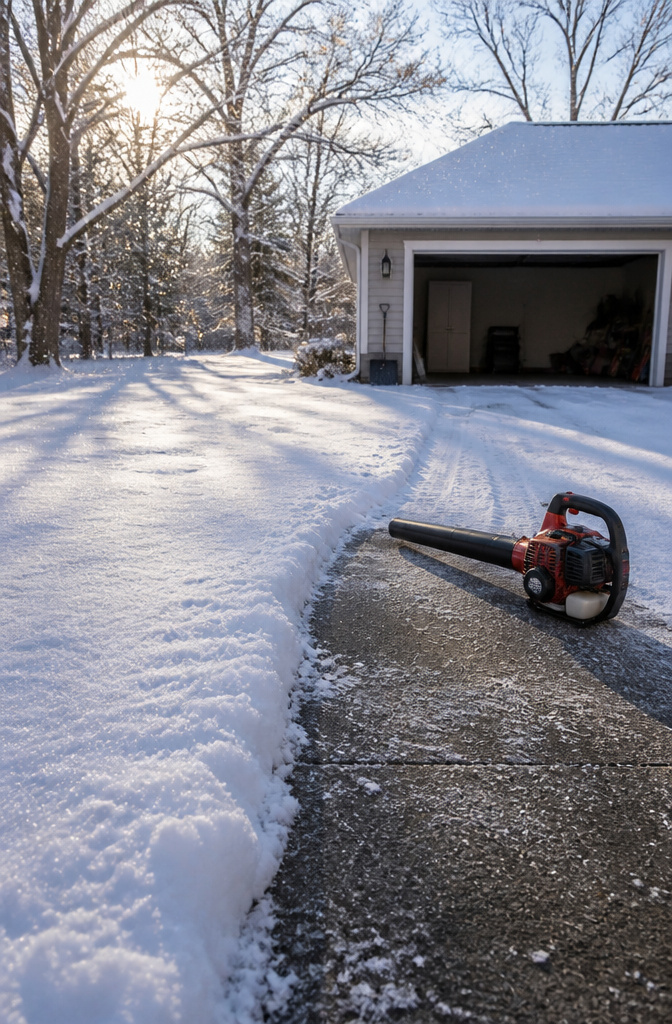
Dry, powdery snow that fell within the last hour or two moves best. Once temperatures climb near freezing, the exhaust melts the top layer and turns your driveway into ice, so I quit around 30°F and switch to a shovel. Battery life drops 30–50% in freezing temperatures, so a job that drains half a charge in fall can kill a full battery in winter.
Work with the wind at your back. Snow drifts right back onto cleared pavement if you fight it, and the blower already lacks the force to push against a headwind. Angle the nozzle downward about 30 degrees so the stream drives snow forward in a line rather than scattering it. Short bursts lift snow more effectively than holding the trigger; continuous airflow just skims the surface without breaking the bond. For accumulations over three inches, the tool bogs down. I either shovel first or skip the blower entirely rather than clear in layers and burn through what little battery remains.
Models Worth Using
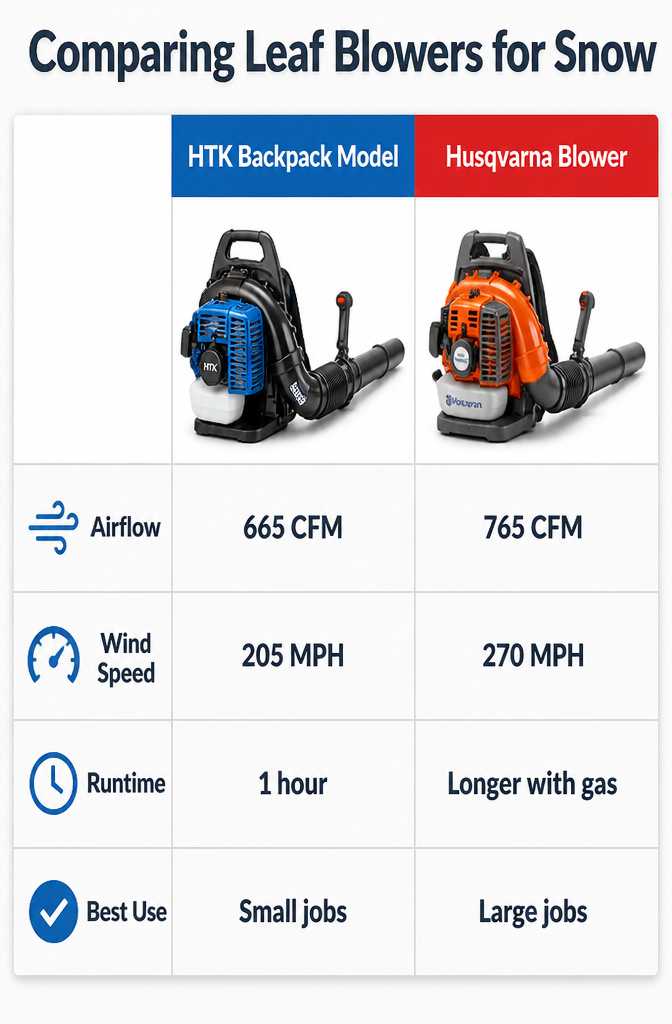
Gas-powered blowers push more air, which matters for snow. The HTK backpack model hits 665 CFM at 205 MPH, and the Husqvarna jumps to 765 CFM at 270 MPH. Those numbers translate to real clearing power on dry, light layers, and the backpack design keeps the weight off your arms during a long pass down the driveway.
Battery models trade raw output for convenience. The Ego Power+ runs 670 CFM at 180 MPH in turbo mode, which is competitive on paper, while the Milwaukee M18 Fuel dual battery blower handles my walkway duty for dustings too thin to bother with a shovel. The catch is runtime in cold weather; batteries drain faster when temperatures drop, and gas keeps running as long as you have fuel.
For snow specifically, CFM and wind speed tell you more than the logo on the housing. A 500 CFM floor seems to separate blowers that actually move powder from ones that just scatter it. Gas models generally clear that bar with room to spare, but the better battery units are closing the gap for small jobs. If you already own one, try it before buying anything dedicated. If you do not, a broom handles the same light dusting for no cost at all.
4. Safety Gear I Actually Wear
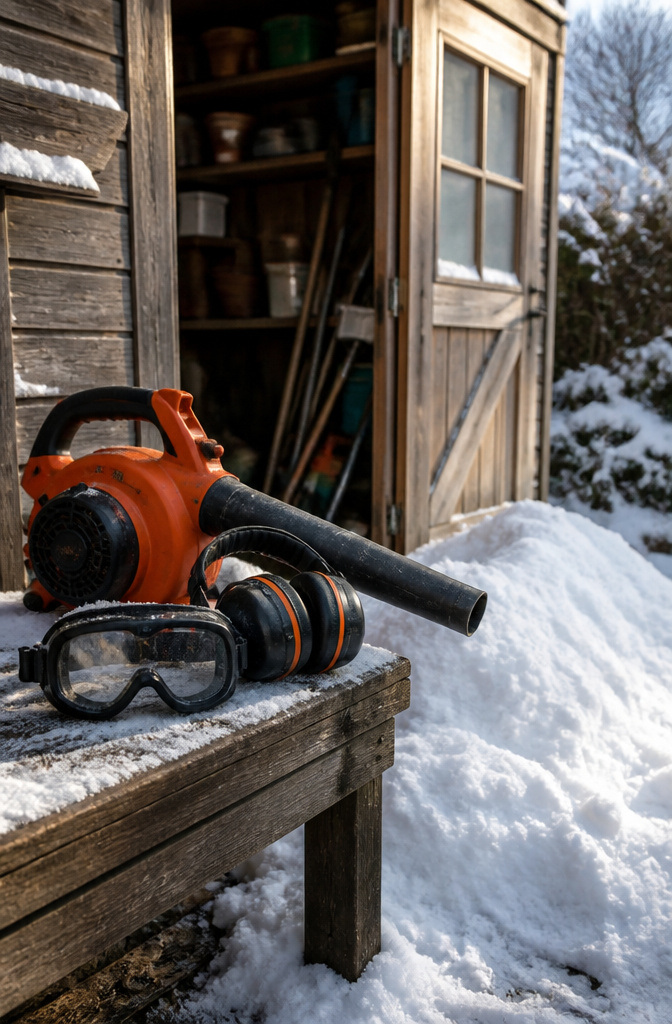
Safety goggles and ear protection are non-negotiable once you move past a quick porch sweep with a battery model. Gas-powered blowers run loud enough to cause permanent hearing damage with regular use, so I keep a pair of earmuffs hanging on the same hook as the blower. The goggles matter too; snow hides the gravel and ice chunks that a blower can throw back at your face.
Extreme cold damages leaf blower engines and fuel lines. I learned this the hard way after trying to clear a light dusting at about ten degrees. The rubber fuel lines on my gas blower, built for warm dry air, stiffened and cracked enough to leak by spring. The cylinder inside the air-cooled engine also suffered; the temperature swing threw off compression so badly the machine stalled out and barely started the next season. Moisture in freezing air can let ice form inside the engine itself, which risks shorting the electrical components. Now I check the forecast before I even pull the thing out of the garage, and I skip the job if it is bitter cold.
Drying and Storing After Snow Use
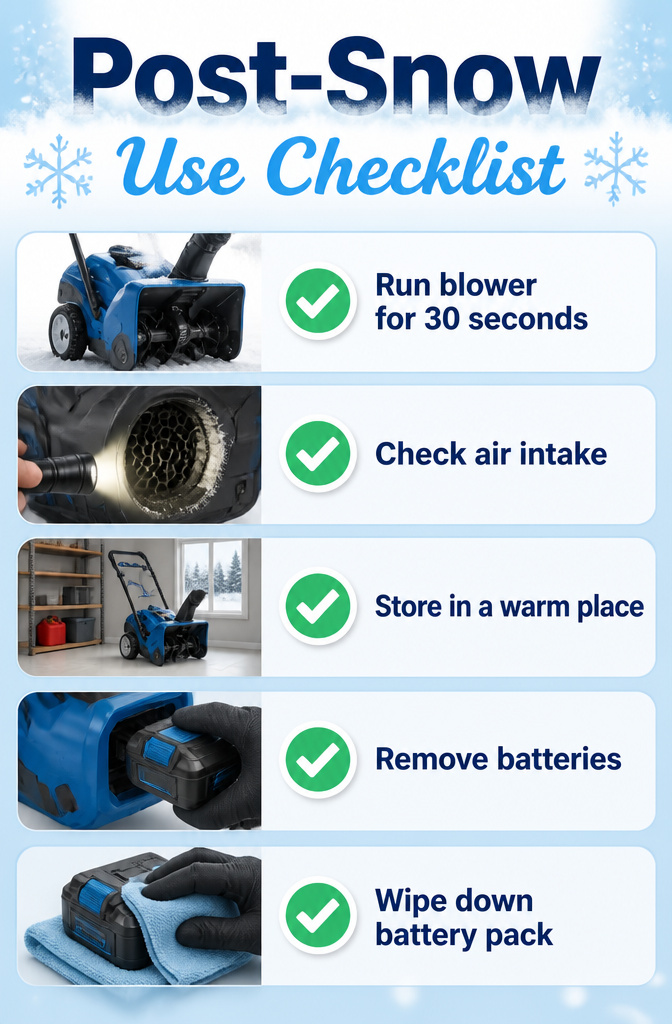
The biggest mistake with winter blower use is putting it away wet. Moisture left inside the housing or around the motor will freeze, expand, and crack what it touches. After you’ve cleared the powder off your steps, run the blower another thirty seconds in a dry spot to push out any melted snow clinging to the impeller. Then set it somewhere warm for an hour before you store it.
Ice likes to hide in the air intake and nozzle throat. Check those openings with a flashlight; a chip you miss today becomes a blockage that overheats the motor tomorrow. Store the unit in a dry place that stays above freezing, not in an unheated garage where condensation forms inside the housing. Battery models need the same care, with the pack removed and wiped down separately.
Frequently Asked Questions
Can you use a leaf blower for snow?
Yes, but only when the snow is light, dry, and powdery. Wet, heavy snow clumps and sticks, so the airstream cannot lift it. A shovel still handles most snow better, though the blower works in a pinch for that thin, dusty layer on a cold morning.
What type of snow is best for using a leaf blower?
Light, dry, powdery snow moves best, almost like ski-resort powder. Fresh snow that has not compacted or frozen to the surface works better than older snow. Wet, heavy, or slushy snow packs too tight for the airstream to lift it off the walk.
How deep can snow be for a leaf blower to work effectively?
The practical limit is about one to three inches. Much past three inches and you end up clearing in layers or switching to a shovel anyway. The sooner you get outside after the snowfall ends, the better your chances of moving it quickly.
What are the safety precautions for using a leaf blower in winter?
Wear safety goggles and ear protection, especially with gas-powered models that run loud enough to damage hearing. Avoid using the blower in extreme cold; temperatures near or below ten degrees can stiffen and crack rubber fuel lines, and the temperature swing can throw off engine compression. Check the forecast before starting, and quit around 30°F to prevent melted snow from turning into ice on your driveway.