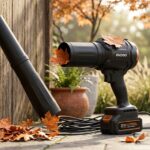

The EGO 765 CFM wins for most people because 765 cubic feet per minute rolls water off panels without ever touching paint. Buy something else if you dry multiple vehicles per session or work below freezing, since runtime caps at roughly 19 minutes and the air carries no heat.
1. EGO 765 CFM
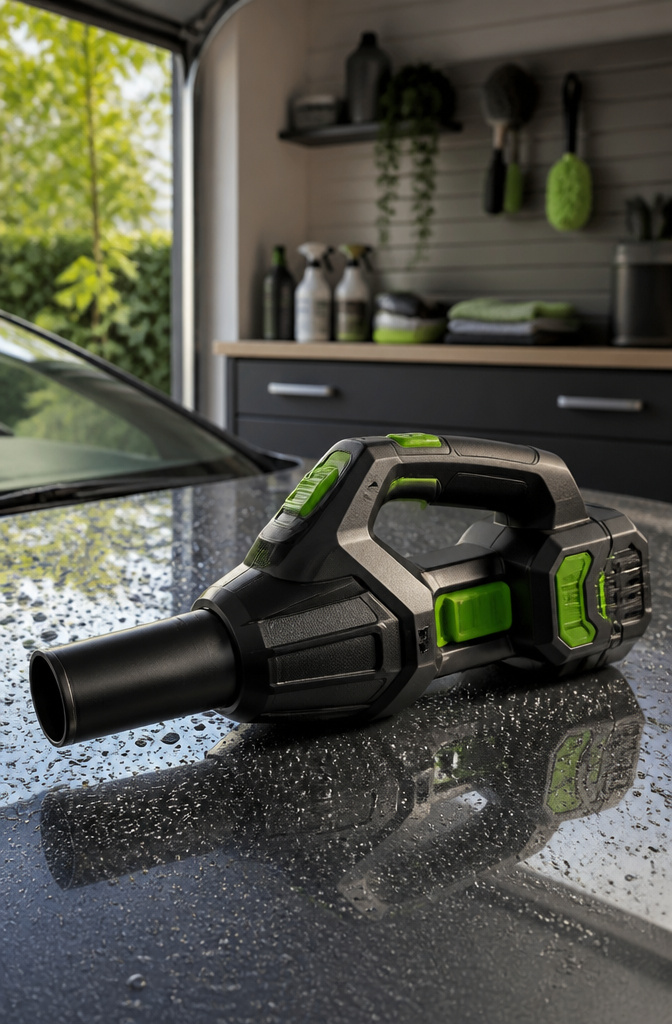
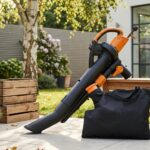
The EGO 765 CFM comes up in almost every conversation about leaf blowers for drying cars, and after reading enough of those threads, the reason is obvious: 765 cubic feet per minute is enough air to push standing water off a hood or door panel without laying a towel on the paint. That volume matters more than speed for car drying, since you want to roll the water beads away rather than blast them into mist that leaves spots.
This is a battery-powered unit, running on EGO’s 56V battery platform. The battery you get changes the price significantly. Bare-tool or basic kits start around $209, while packages with larger batteries and the dedicated charger push toward $424.95. The specialized car-drying kits that include the short nozzle run in that upper range too.
Runtime lands at roughly 15–19 minutes depending on the battery and how hard you run it. For a sedan dried quickly, that works. For anyone tackling larger vehicles, multiple cars, or wanting to take their time with seams and mirrors, the clock becomes a real constraint. There is no heated air here either, so winter washes in colder zones mean working with ambient temperature.
Skip this one if you need longer sessions or warm drying air. For quick weekend washes on a compact car in mild weather, the airflow and cordless freedom are hard to match at the price.
2. Milwaukee M18 Precision Blower
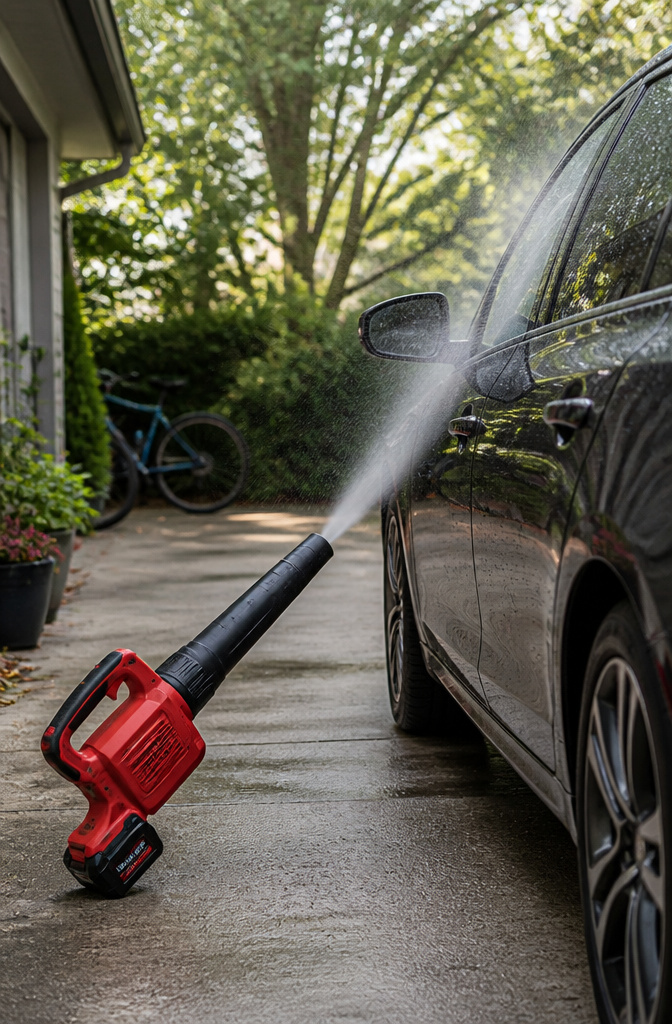
The Milwaukee M18 Precision Blower trades raw output for control you can actually use. At 80.4 dB and 3.35 lb with its 5-amp-hour battery, it is noticeably quieter and lighter than the big tube-style units, and the shorter body lets you work around side mirrors, door handles, and trim creases without the nozzle hitting paint. Drying time in testing came to 3:11.5, slower than the EGO’s broader blast, but the air goes exactly where you point it.
It’s very rare that we’d use the word “precision” to describe an air blower, but we’ll admit Milwaukee’s air mover is aptly named.
That precision matters most on sedans and compact crossovers where you are inches from the surface, not feet. The catch is the M18 battery platform itself: if you already own Milwaukee tools, the bare tool slots right in. If not, the battery and charger combo runs past $200 before you have blown anything dry, and 12:09.9 of runtime on a 5-Ah pack is middle of the pack at best. Anyone drying a full-size truck or SUV will want more coverage per pass, and anyone starting from scratch on batteries should weigh whether the handling advantage justifies the buy-in.
3. Ryobi RY40LB01K
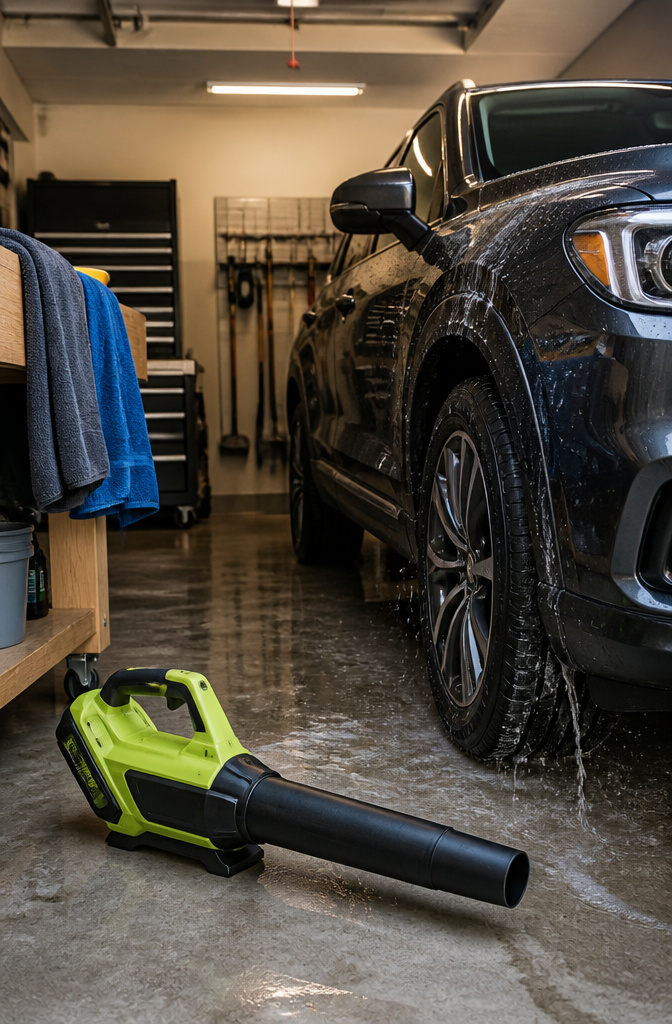
The RY40LB01K runs on Ryobi’s 40V brushless platform and lands at a price that still includes the battery and charger, a combination that usually pushes past $200 for competitors. 73.4 decibels makes it the quietest option I have seen tested against dedicated car dryers, seven decibels below the next closest. That matters more than the raw number suggests; leaf blowers this size often ring in the mid-80s, and the gap is the difference between finishing a wash without ear protection and needing it.
Airflow sits at a practical middle. It cleared standing water quickly in head-to-head testing, though the CFM figure does not reach the top of the cordless range. The 40V battery typically runs 10–20 minutes at full throttle depending on amp-hour rating, enough for a sedan or small SUV if you move with purpose. Run time stretches if you feather the trigger, which the variable-speed trigger allows.
The weight is real. Sources call it hefty and awkward to manipulate, and that shows up in extended use above shoulder height. Buyers already running DeWalt, Milwaukee, or Makita batteries should pause; starting a second battery ecosystem for one tool rarely pays off. The same goes for anyone chasing maximum airflow for large trucks or frequent drying. For everyone else working a single-car garage and watching spending, this is where the balance sits.
4. Worx WG520
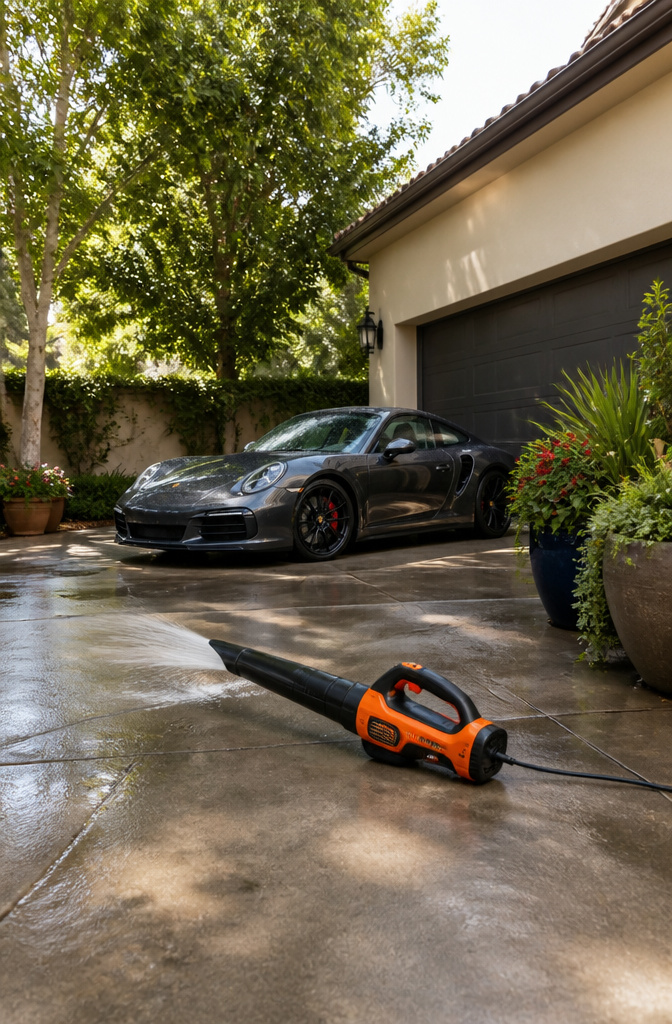
The Worx WG520 runs on a turbine fan design that pushes 600 CFM at 110 mph, which is the pairing that matters for car drying. Airspeed alone would not be enough; the volume is what strips water from panels and out of mirrors and door jambs. At 6.4 lbs, the blower is light enough to hold for the ten to fifteen minutes a full dry takes, and the variable speed roller switch lets you dial back instead of toggling between off and full blast. A car with wax or sealant may not even need top speed.
The catch is the cord. This is a plug-in tool, so you are managing an extension cord the whole time, and you need an outdoor outlet within reach. That makes it a poor fit for anyone drying at a storage unit, a workplace lot, or any spot without power. For home use with a driveway outlet, the tradeoff is steady output with no battery fade and no recharge cycle. The WG520 carries a three-year warranty.
5. MetroVac Air Force Blaster
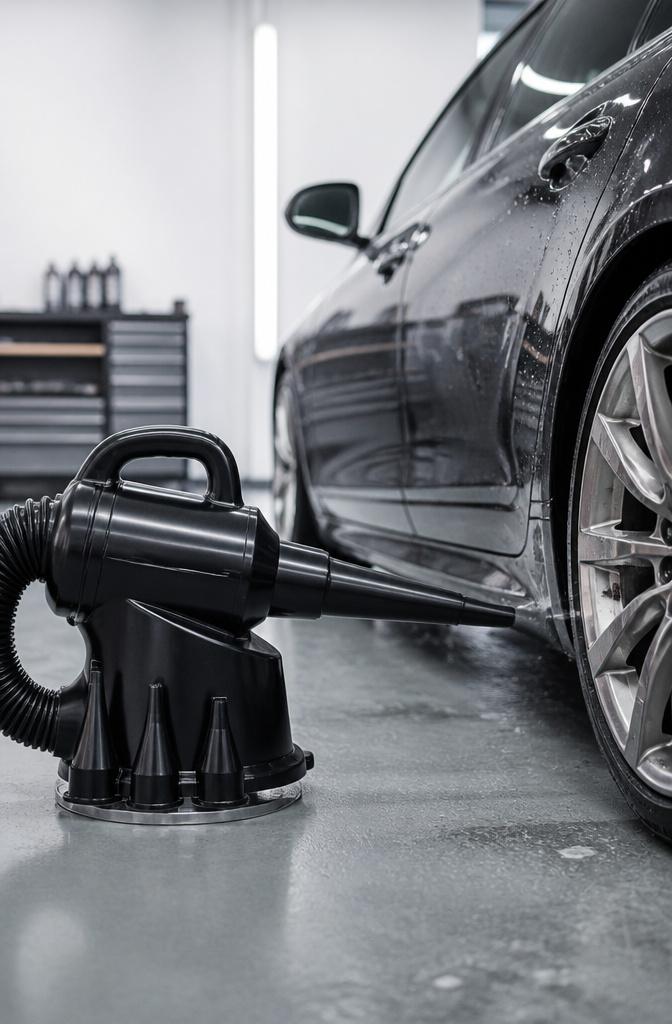
MetroVac builds the Air Force Blaster line specifically for detailers, not for yard work, and the difference shows in the details. Heated air output means you’re not just moving ambient-temperature air across wet paint; the warmth cuts drying time and helps water evaporate from crevices around mirrors and trim. A filtered intake keeps the kind of grit that collects in garage corners from ever reaching your clear coat. These are purpose-built machines from a company that also makes vacuums and other detailing gear, so the nozzles and hose lengths assume you’re working around a vehicle, not clearing a driveway.
The tradeoff is price and singleness of purpose. The Sidekick starts at $121.99, and the full Super Vac N Blaster combo runs $815.99. For that money you get a tool that does one job well and nothing else. If your budget sits in the $500–800 annual range and you already own a filtered leaf blower, the upgrade is hard to justify. Skip the Blaster if you want one machine that dries cars in spring and clears patio debris in fall.
6. Kolenda Cordless Car Dryer
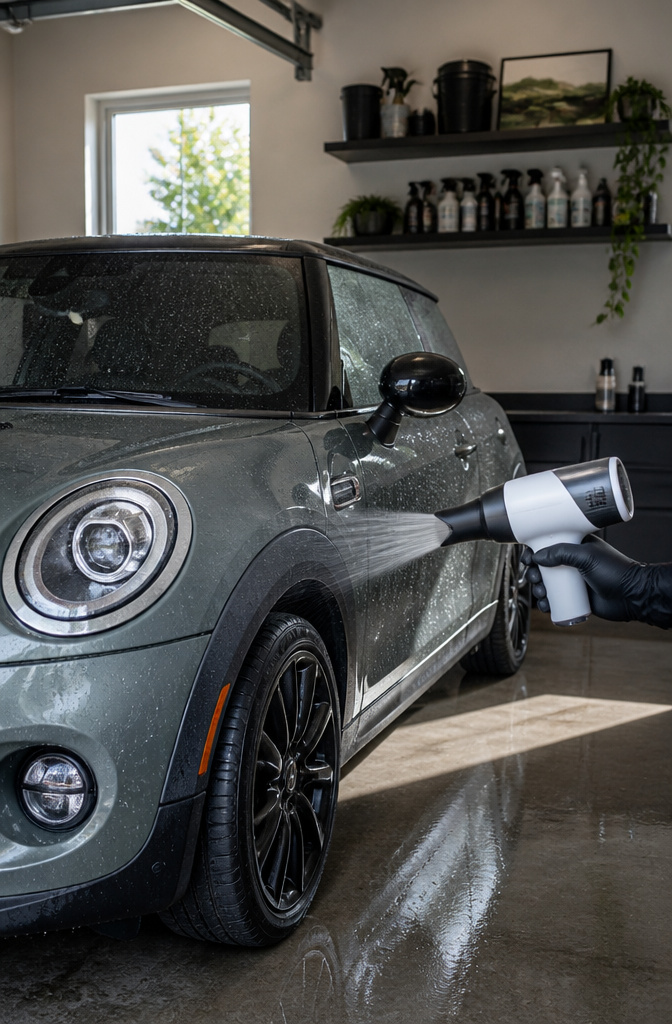
The Kolenda Cordless Car Dryer is built for this exact job, not adapted from yard work. Its filtered intake is the detail that matters: a leaf blower without filtration pulls debris through the housing and shoots it at your paint, and several detailers have traced swirl marks to exactly that. Kolenda addresses the risk at the design level, with a proper filter and variable speed so you can dial down around trim and mirrors.
The tradeoff is real. At 90.7 dB, this thing is loud enough to damage hearing with prolonged exposure above 85 dB, so ear protection is not optional. Build quality also raised questions in testing; the housing does not inspire confidence around water, and performance drops noticeably after five to seven minutes of run time.
Skip this if you want one tool for patio and car. The Kolenda is not a dual-use blower, and its peak airflow sits below dedicated units meant for rapid drying. It suits the person who washes in a garage, worries about paint, and will accept a single-purpose tool for that peace of mind.
7. Big Boi Blower
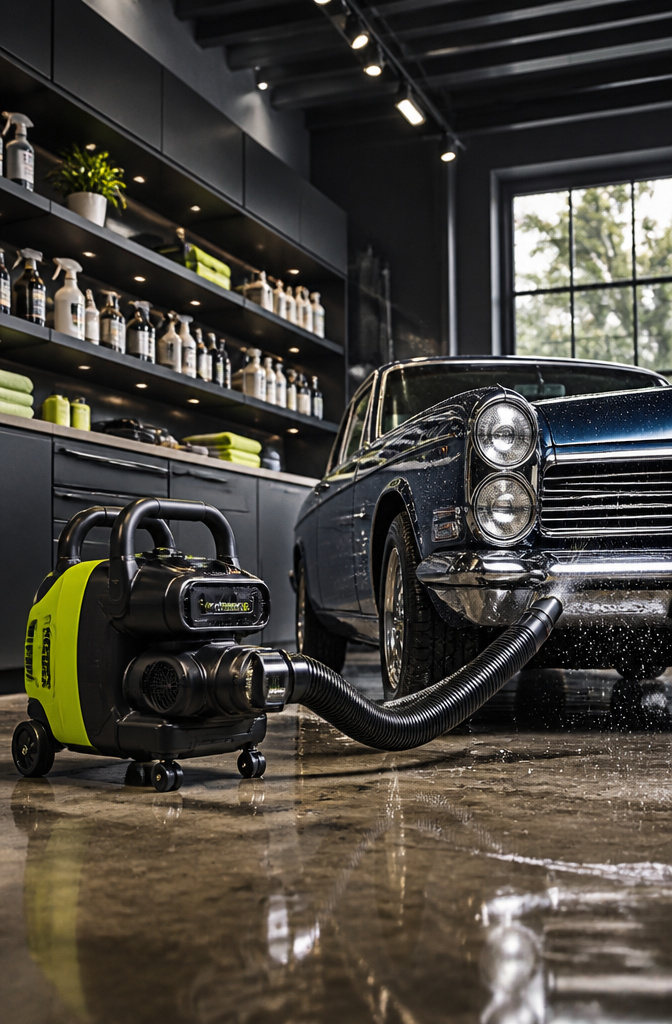
The BigBoi sits at a price tier that makes most home detailers pause. Dual motors push heated air through a 26-foot hose, and that combination is why professional shops keep one mounted on the wall. The heat matters more than raw power; water sheets off paint faster when the air carries temperature, which cuts the time a wet panel stays exposed to mineral spots.
Storage is the hidden cost. This is not a unit that slides under a workbench or hangs on a pegboard. It needs floor space, and it needs it year-round, because at this price the thing earns its keep on a schedule, not just when the weekend looks clear.
Skip this if your annual car-care budget sits under $500 or if your garage already holds a leaf blower that pulls double duty. The BigBoi makes sense when drying cars pays for itself, either in client invoices or in the obsessive protection of paint you have already spent thousands to correct. For the rest of us, the money buys a lot of microfiber towels and a few hours.
8. Air Cannon
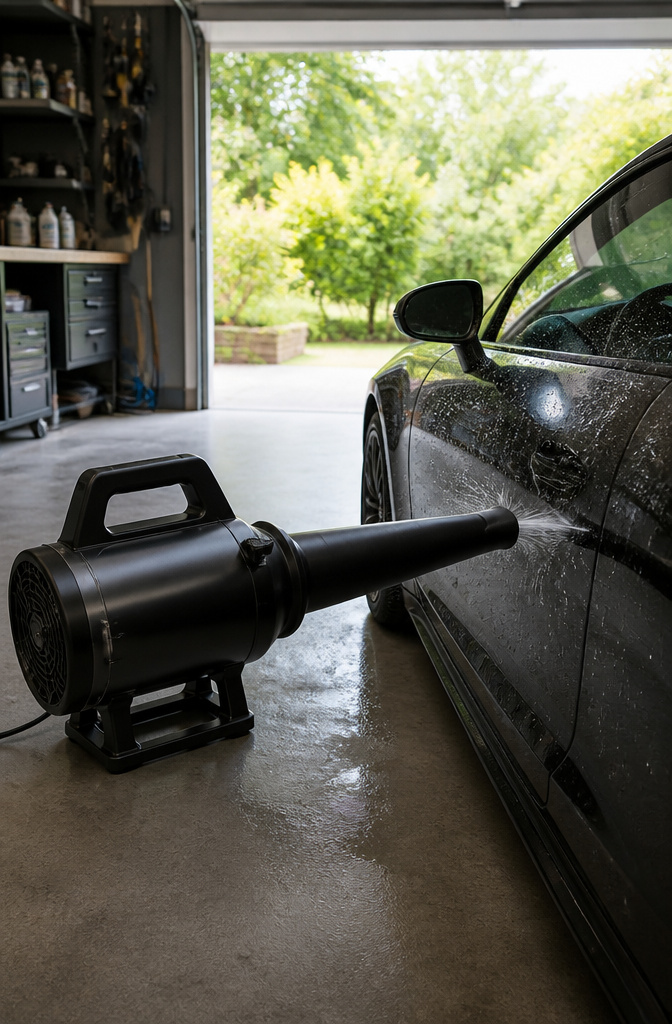
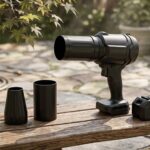
An air cannon built for car drying runs on straight volume rather than speed, pulling air through a filter so the stream stays clean across the paint. That intake design matters more than the motor size: unfiltered blowers suck up grit from the garage floor and sandblast the clear coat while you work. The trade is weight and noise. These units move enough air to push water out of door jambs and mirror housings in one pass, but the housing is bulky and the tone is low and loud.
Skip this category if you want a name your neighbor recognizes, because the companies that dominate leaf blowers and shop tools mostly stay out of it. Skip it too if you need one machine that clears autumn leaves and dries the car Saturday morning. The air cannon does only the second job, and its form factor is wrong for sweeping a yard. For a garage-only setup where paint safety comes first, the dedicated design pays off. For a shed with limited shelf space, it is a hard fit.
9. BLO Air-S Hand Held Dryer
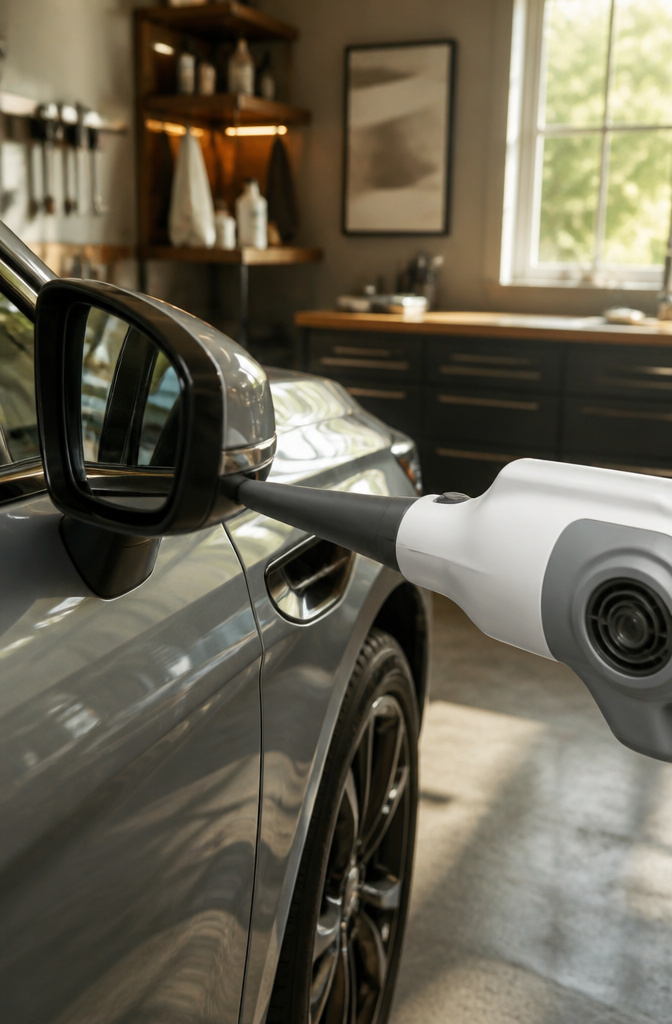
The BLO Air-S sits in a different category than the full-size dryers most people picture. Its compact body and lighter weight make it the tool you reach for when you need to chase water out of door jambs, mirror housings, and the gaps around headlights where a towel never quite finishes the job. The focused nozzle concentrates airflow into a tight stream rather than blanketing the whole panel, which is exactly what you want for detail work on trim and emblems where pooled water hides.
That same focused output becomes the limitation on larger jobs. Drying an entire SUV or truck with this unit means moving slowly across broad hoods and roofs that a high-volume dryer would clear in half the time. Anyone needing to dry a full-size vehicle quickly, or facing heavy water removal after a thorough rinse, will find the Air-S underpowered for the scale of the task. It is built for precision, not speed across acreage of sheet metal.
10. Active Automotive Dryer S350
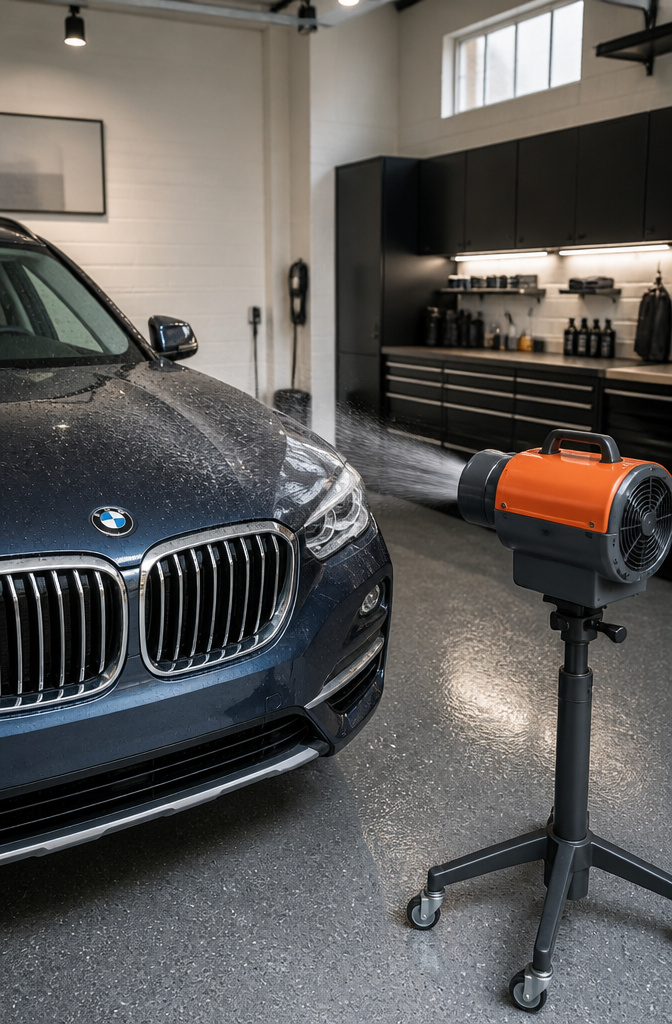
The Active Automotive Dryer S350 sits at $299.95, which puts it in a middle space that makes sense for only some buyers. It pushes air at up to 350 MPH, enough speed to chase water out of grilles, emblems, and side mirrors without touching paint with a towel.
That dedicated design means you are paying for a tool built to do one job, not adapting a yard blower that happens to fit in the garage. The trade is real: the BLO Air-S runs $108.95, so the S350 asks nearly three times the price for a purpose-built motor and filtered air stream.
Skip this one if your budget tops out under $150 and a converted leaf blower for drying cars will have to do. Skip it too if you are running a detail shop and need the absolute highest output tier; the S350 is quick, but it is not the top of the market. It fits the weekend washer who wants clean drying without swirl marks and does not mind spending mid-range money to get there.
Contactless Drying and Why It Matters
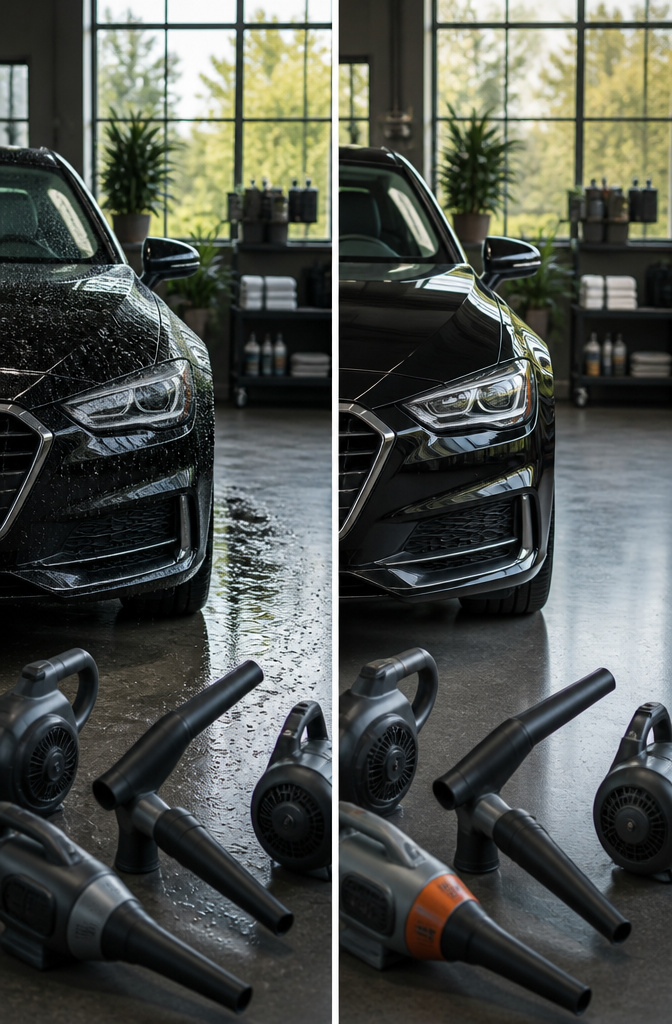
Every swipe of a drying towel drags microscopic grit across the clear coat, and that grit leaves the swirl marks you notice in direct sun. The theory I buy into is simple: no contact means no scratches from contact. A leaf blower for drying car paint removes that risk entirely by never touching the surface at all.
The reach matters too. Towels bunch up against mirror housings, leave water pooling in door jambs, and never fully thread through tight grille slats. Forced air snakes into those spots without effort, pushing water out from gaps where a cloth simply cannot follow. Wing mirrors in particular trap runoff that drips down and streaks hours later; a blower clears the pocket clean.
Water spots from missed drips are annoying, but the real payoff is preserving the finish you actually wash the car to protect. Eliminating the towel from the equation removes the single biggest source of wash-induced marring.
What the Numbers Mean
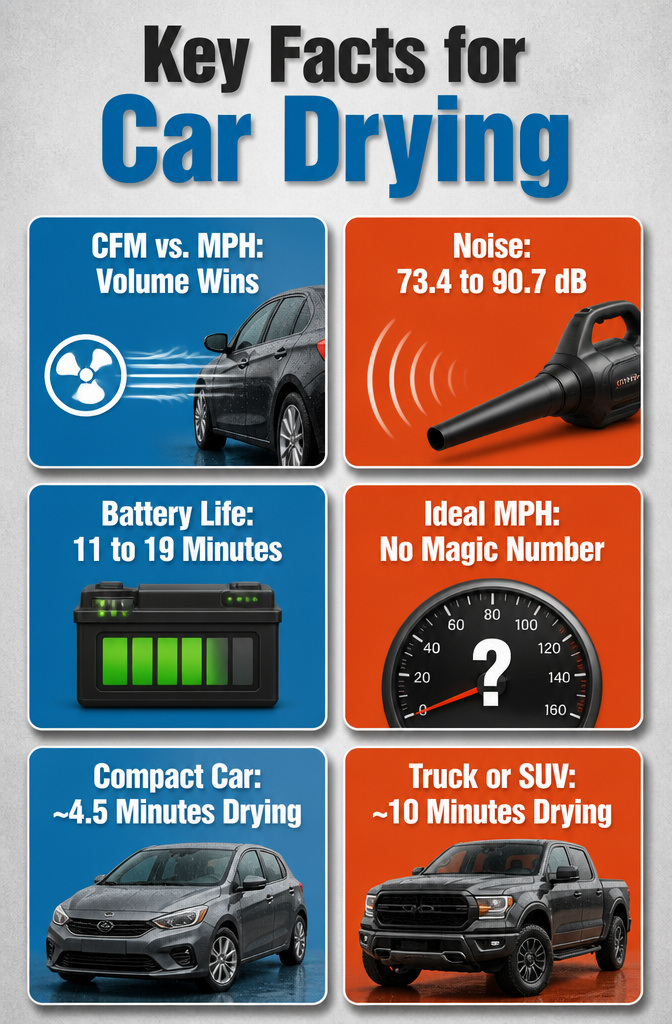
CFM and MPH get mixed up constantly in leaf blower specs, but high CFM moves water off paint faster than extreme speed. MPH measures how fast a narrow stream travels; CFM measures the total volume of air pushed. For drying a car, volume wins because you need to blanket whole panels, not blast a single stripe. One source put it plainly: anything over 100 mph works fine as long as the CFM is decent.
Noise runs 73.4 to 90.7 dB across the blowers that made this list. The gap matters if you dry early mornings or in tight neighborhoods, though none of these hit the pain threshold of a gas engine.
Battery life spans 11 to 19 minutes at full power. That sounds tight until you map it to real drying time: a compact hatchback takes about four and a half minutes even with the weakest air mover, while a truck or SUV needs roughly 10. The extra minutes in that range pay off for larger vehicles or second passes on mirrors and trim, though the battery itself gets heavier as runtime climbs. No one specifies an ideal MPH for car drying, so chasing a magic number on that spec is a waste of time.
Electric, Gas, and Filter Risks
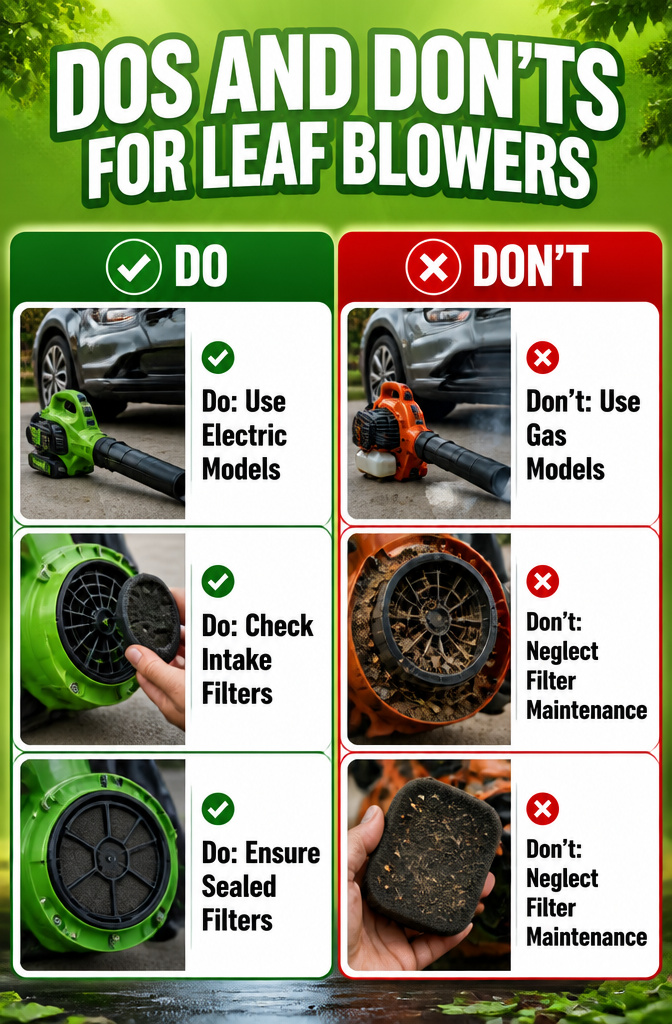
Gas-powered blowers carry a contamination risk that electric models avoid. The motor can expel oil vapor along with exhaust fumes, both of which land on clean paint and leave residue behind. For garage or covered-space drying, that alone rules them out.
Intake filtration matters just as much as what comes out the other end. A blower drawing unfiltered air pulls in pollen, grit, and whatever yard debris sits in the housing from last weekend’s cleanup. The filter is what keeps that debris off your panels, not just the nozzle direction. Without one, you’re pressure-washing the finish with airborne grit.
No source I found names a specific filter rating or model as the threshold for safe car drying. The principle stands on its own: any blower used for this job needs intake filtration that actually seals, gets checked for tears, and gets tapped clean before it comes near paint. Some detailers treat gas blowers as acceptable outdoors; others skip them entirely for the oil vapor issue alone. Your call depends on whether you trust your nose and eyes to catch residue before it bakes on in sun.
Frequently Asked Questions
Can I use a leaf blower to dry my car?
Yes, but only if it is electric and has a sealed intake filter. Gas blowers expel oil vapor that lands on paint, and unfiltered electric models pull grit from the housing and blast it at your clear coat. A filtered electric unit removes the risk of towel-induced swirl marks by never touching the surface.
What is the best leaf blower for drying a car?
The EGO 765 CFM leads for raw volume, the Worx WG520 wins for budget corded use, and the Milwaukee M18 suits buyers already on that battery platform. The EGO pushes enough air to roll water off panels without misting it into spots, while the Worx gives steady 600 CFM output at around $60 with no battery fade. Your garage setup and existing tool batteries matter as much as the airflow numbers.
Are there any risks to using a leaf blower on my car?
Yes. The nozzle can touch paint and scratch it, mishandling blows loose debris onto wet panels, and an unfiltered intake shoots accumulated grit at the finish like a sandblaster. Noise runs high enough to annoy neighbors in tight quarters, and battery models can die mid-dry if you misjudge runtime against vehicle size.