The ideas below run from a single glazed bowl that costs an afternoon and almost no money to a koi pond that wants 200 square feet of level yard and weekly attention to its filter.
What settles the choice is how much of your lawn you are willing to give over and whether you want fish in the water, the sound of it, or neither.
The gravel-lined version alone cuts algae scrubbing by half, which is one way to know if the maintenance trade suits your season.
1. Waterfall Feature
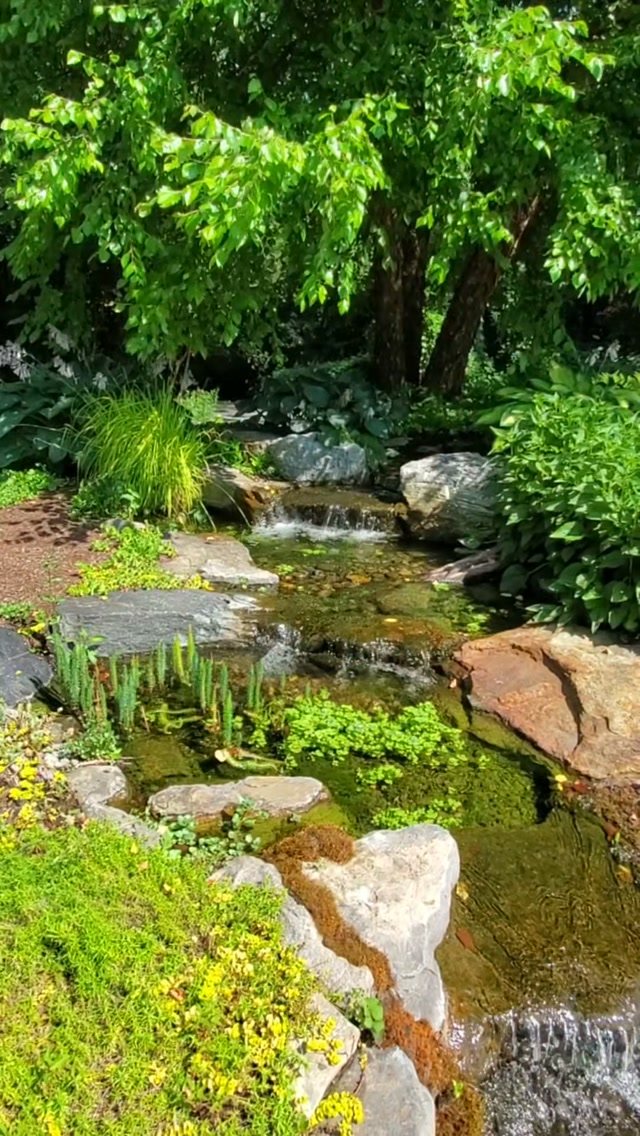
A waterfall over a pond turns the whole corner of a yard into something the neighbors hear before they see.
The sound matters more than the size, and a light flow beats a strong one; too much pressure spills water out of the basin, so check the pump rating against the container’s edge height first.
Stack rock so it looks like it landed there, not like a wall. I would build in a shelf for plants at the waterline, since frogs and dragonflies find their own way in once the water sits.
2. Pondless Waterfall
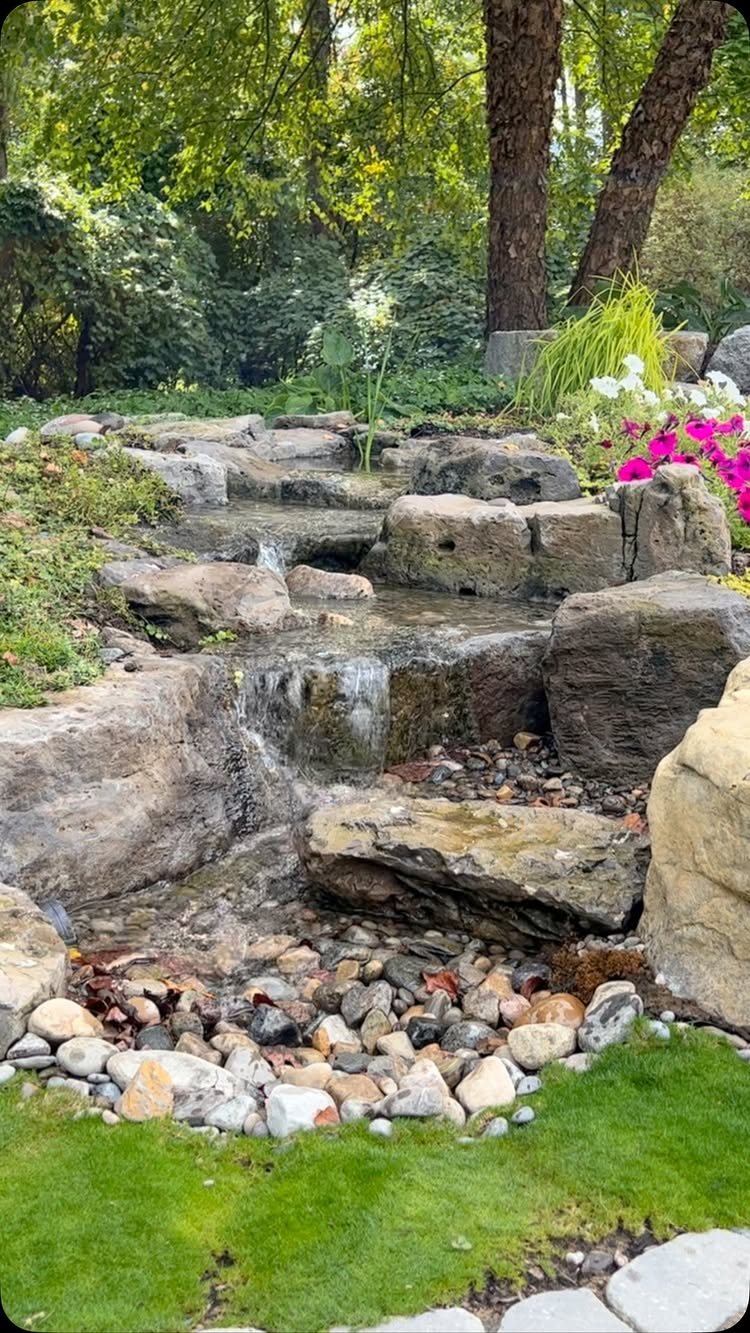
Water that disappears into stone instead of pooling open is the cleanest option for anyone who wants the sound without the maintenance. A hidden reservoir catches the flow, so mosquitoes have nowhere to breed and algae never gets a foothold.
The whole thing sits in a bed of river rock, and from a few steps back it reads as a dry creek that happens to move.
I would size the reservoir to the pump output; the water needs somewhere to go when the feature runs, and a reservoir too small will leave the pump dry or flood the surrounding soil.
This trades away fish and water lilies for the ease of never skimming leaves or balancing chemistry. For a small lawn where children play, that trade is usually worth it.
3. Patio Pond
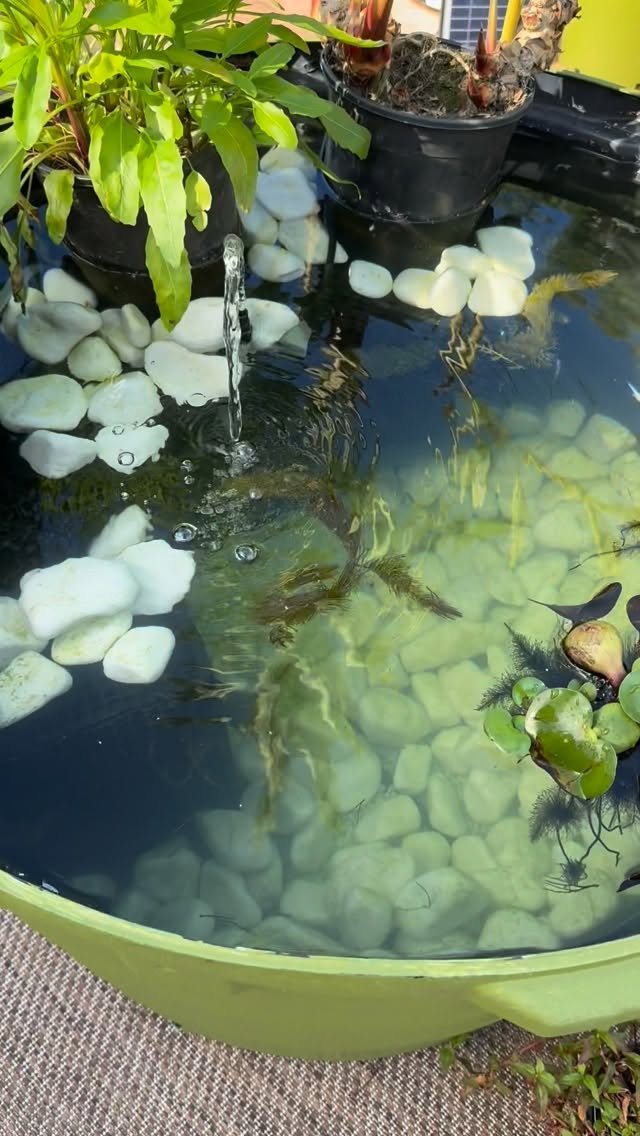
A tub of water on the deck becomes part of the seating area in a way an in-ground pond never manages.
Stock tanks hold the weight without strain, and a wooden box sealed with liquid rubber or a piece of pond liner does the same job for a more fitted look.
One builder I saw nested a second terracotta pot inside the first as a waterproof barrier, which keeps the outer pot dry and the setup light enough to move.
Bubbles from a small spout give enough movement for a few plants and maybe a few fish. Green plastic reads modern; wood or galvanized metal read more traditional.
Pick the material to match what you already sit on.
4. Raised Pond
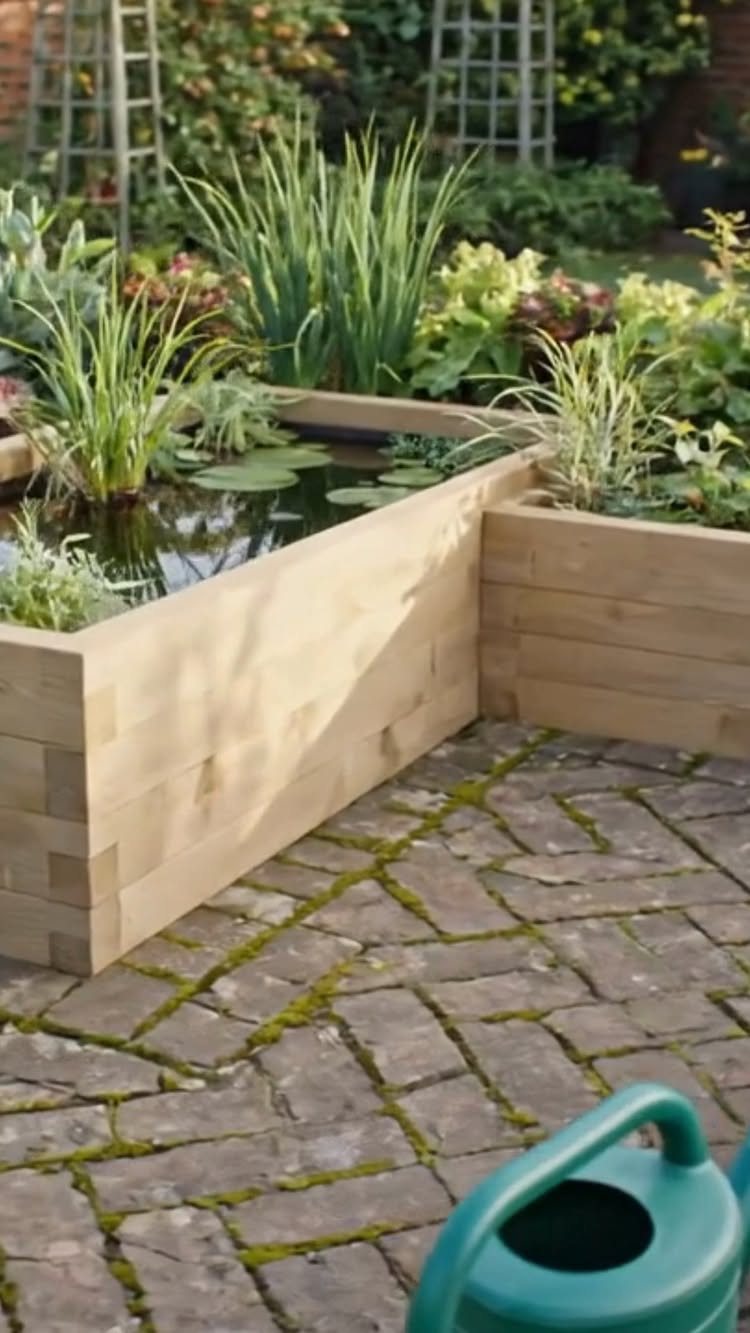
Timber blocks stacked to knee height or higher save the work of digging and hauling soil out through a gate.
The trade is temperature: water fully above ground swings hotter in summer and colder in winter, so I would leave at least part of the wall sunk into the soil if you want fish through the cold months.
The rest of the warmth stays more stable underground.
A raised edge is easier on the back for thinning plants or netting leaves, and it stops a toddler from stepping in. Stone, brick, or wood all work; timber will gray to match the garden in a season or two.
Check what sits below the patio first, since you are trying to avoid utility lines.
5. Container Pond
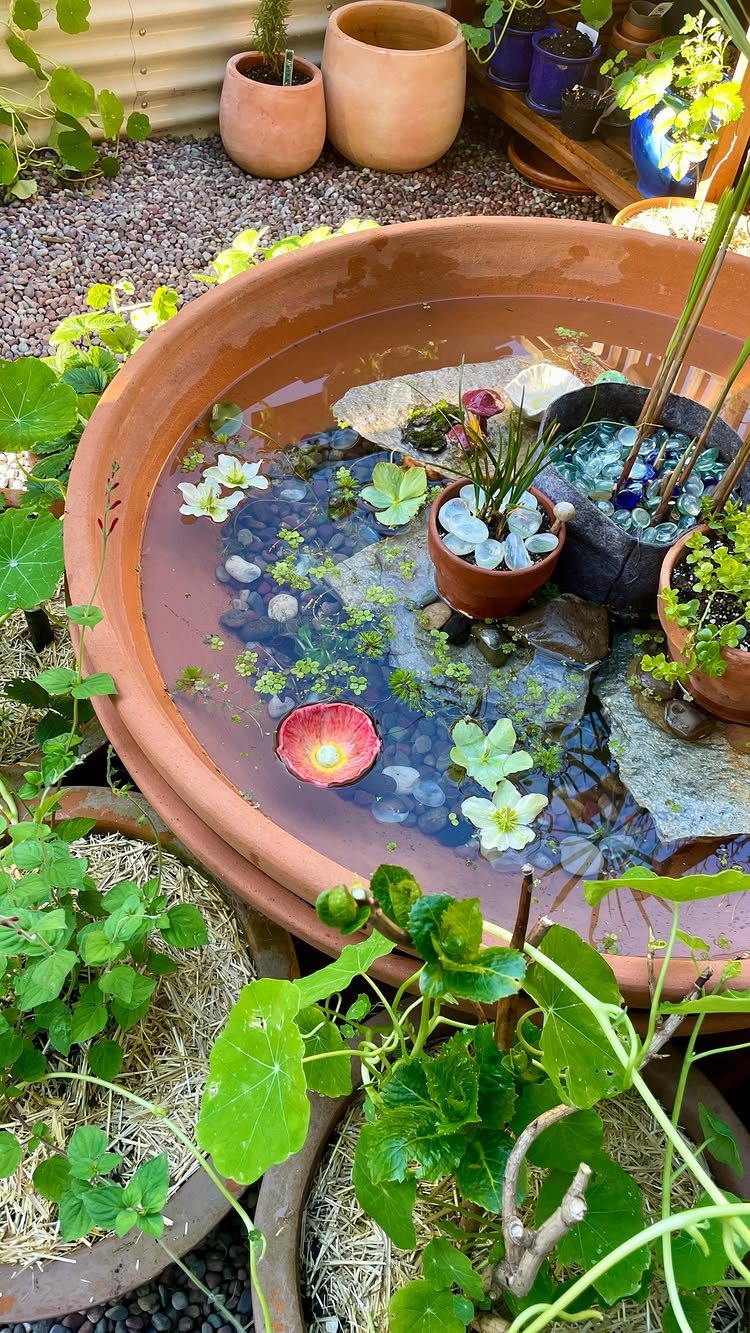
Any vessel that holds water and survives the weight becomes a pond: a barrel, a sink, a glazed pot, a stock tank. Plants sit inside smaller pots set at the waterline, which lets you rearrange without wading.
Not every decorative pot is strong enough; press the rim and feel for flex before you fill.
A small pump keeps the water from going stagnant, and the setup takes an afternoon, not a weekend. A second pot inside keeps the outer one sealed.
I would start with plants only, add fish once the chemistry settles, and keep the whole thing where you can see it from a chair, since half the reason for a container pond is watching it.
6. DIY Backyard Pond
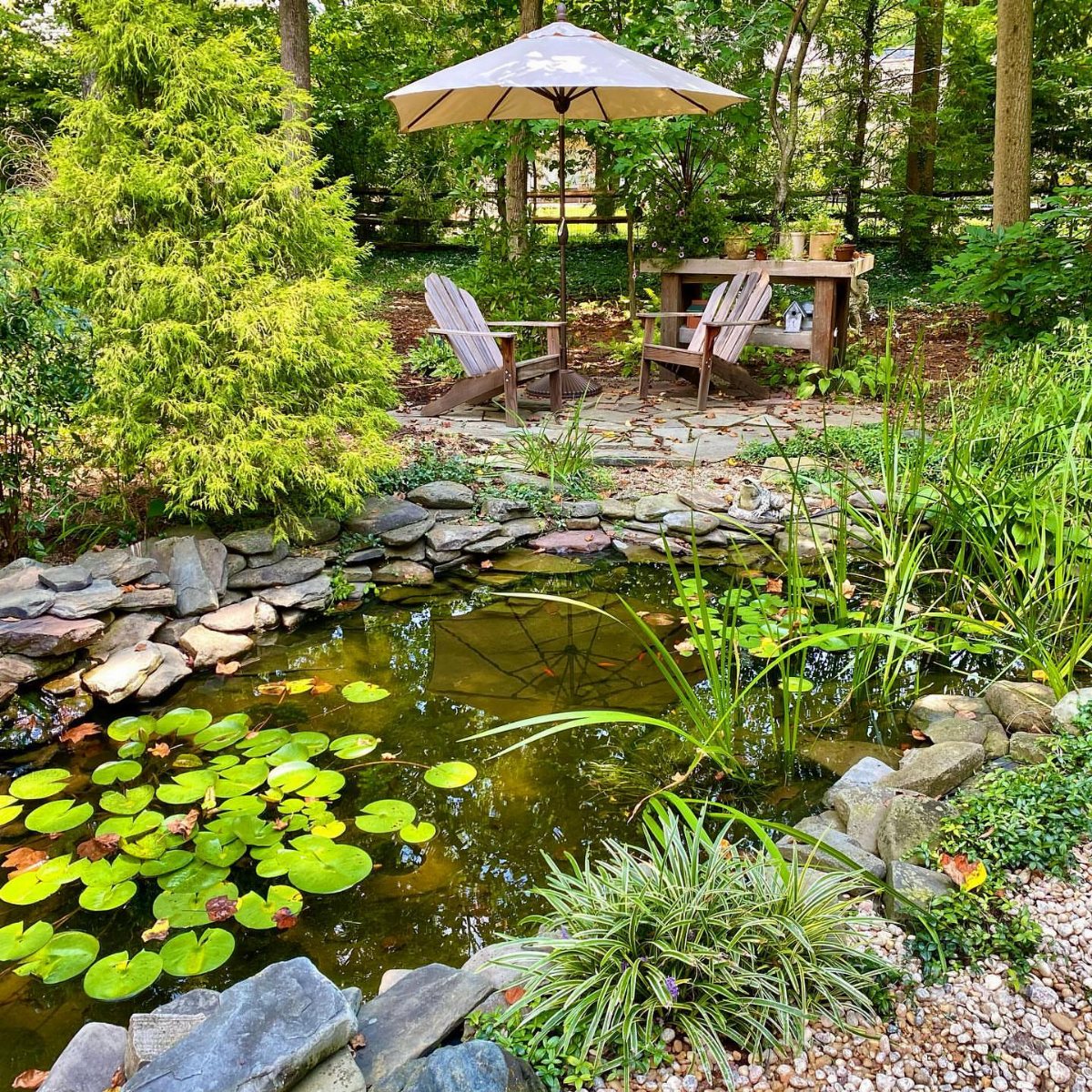
A dug pond with a liner is the most work and the most reward, and a weekend of digging with a rented spade and a helper gets you to the filling stage.
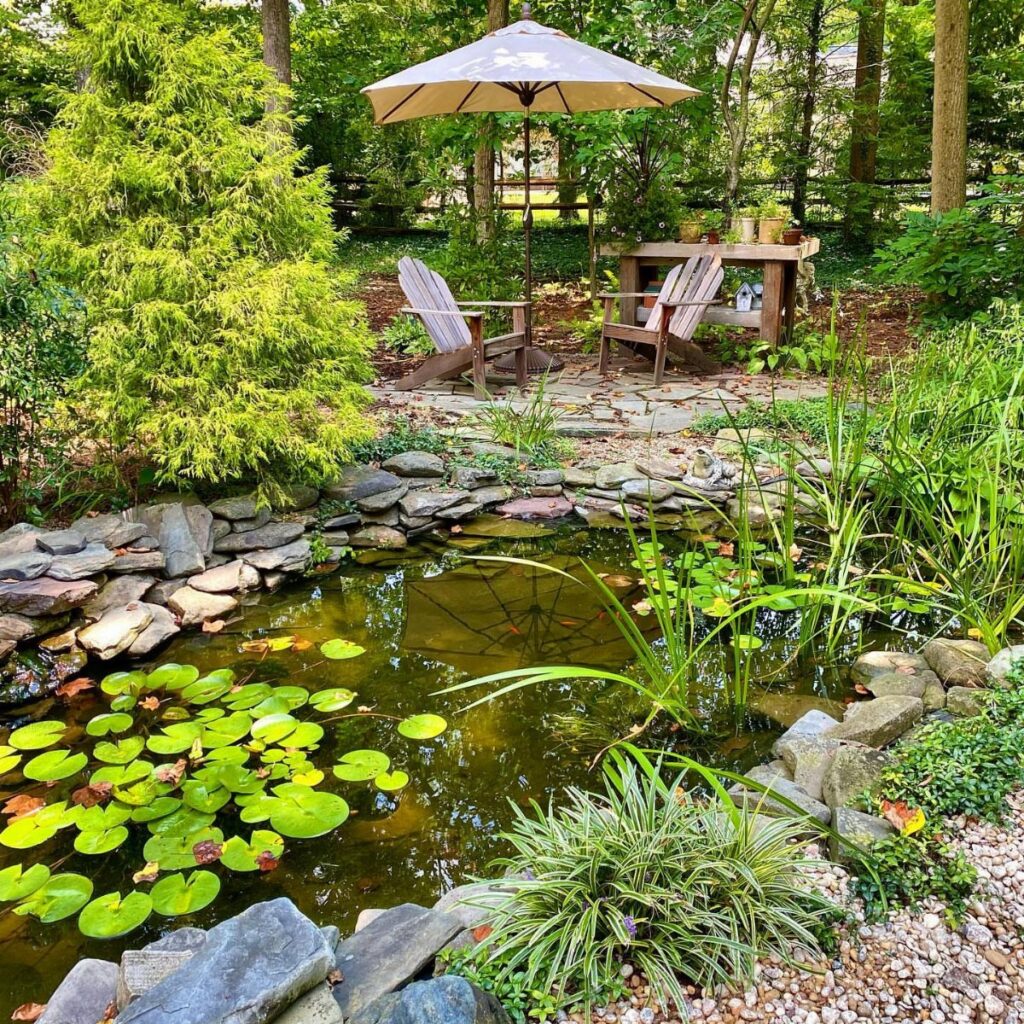
Flat stones stacked at the edge hide the liner and give frogs a place to sun. Lily pads need a shelf well below the surface, so plan that shelf into the dig rather than trying to build it after.
I would use a flexible liner over a preformed shell every time; the shells crack in frost and constrain the shape.
The stock tank route skips the dig entirely and still gives you the stone border and the plants, though the shape is fixed.
For a first pond, that shortcut saves a ruined back and a liner punctured by a root you missed.
7. Koi Pond
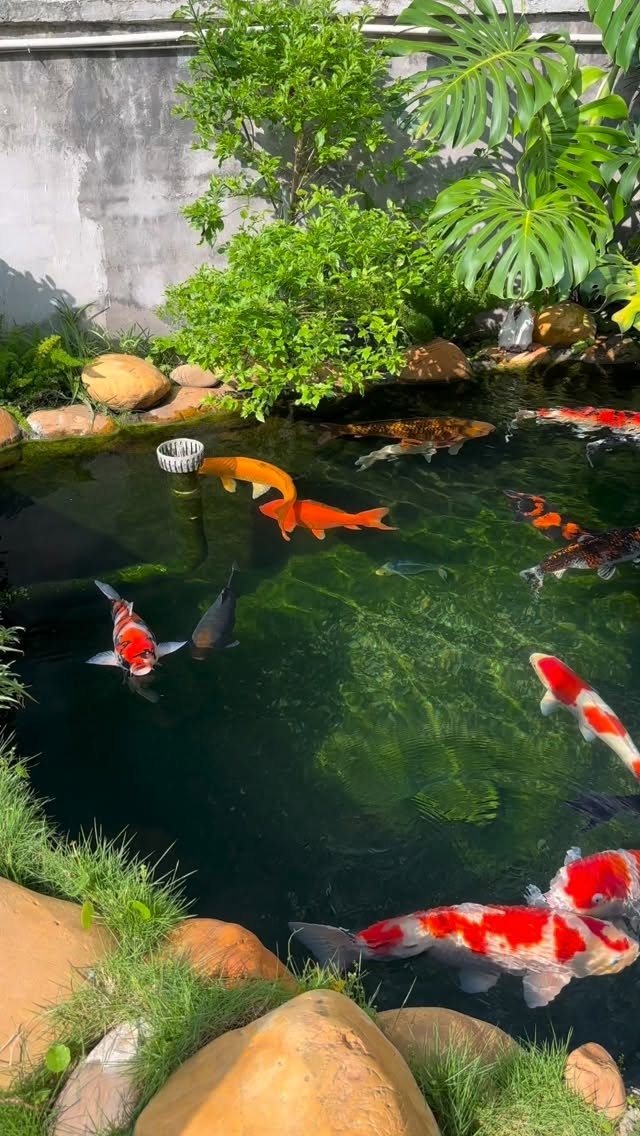
Koi need room to dive deep and water that stays clean enough to see their colors through. Three feet of depth is the minimum; anything less and they will stress, huddle, and eventually sicken.
I would build straight-sided walls; the fish circle easier, and predators find fewer ledges to stand on.
This one trades space for spectacle. A patio or balcony gardener should skip it entirely.
For anyone with 200 square feet of level yard and a tolerance for weekly filter checks, the payoff is motion and color no statue matches.
8. Old Bathtub Pond
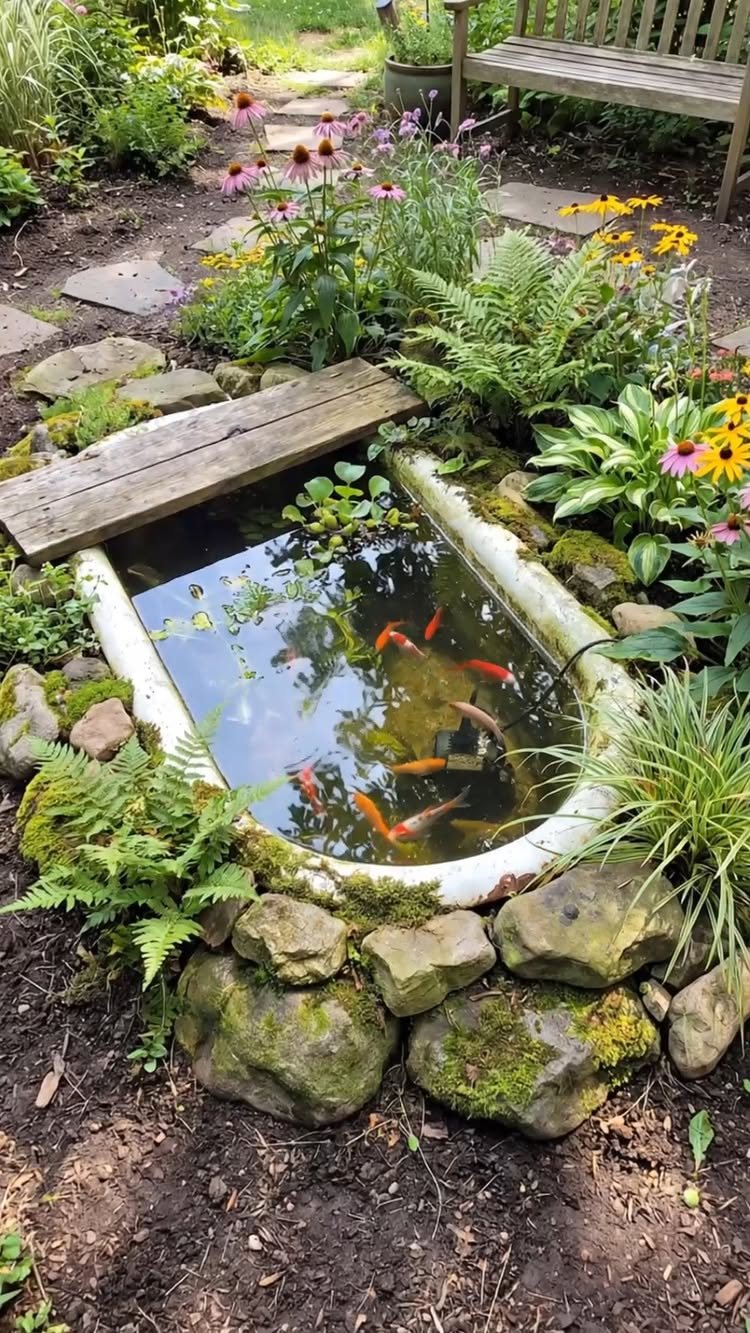
An old clawfoot tub buried to its rim turns into a pond with almost no build. The porcelain or enamel already holds water, so no liner, no folding, no patching seams.
I set mine on a bed of sand, packed soil around the curve, and dropped in a small fountain pump. Water lilies on the surface hide the waterline and give dragonflies somewhere to land.
The charm is in the mismatch: Victorian plumbing against ferns and mossy stone.
It holds enough water for a few floating plants and a handful of mosquito fish. Koi will outgrow it in a season; goldfish or a single shubunkin last longer.
Best for a corner you walk past often, where the surprise of it matters more than the size.
9. Gravel-Lined Pond
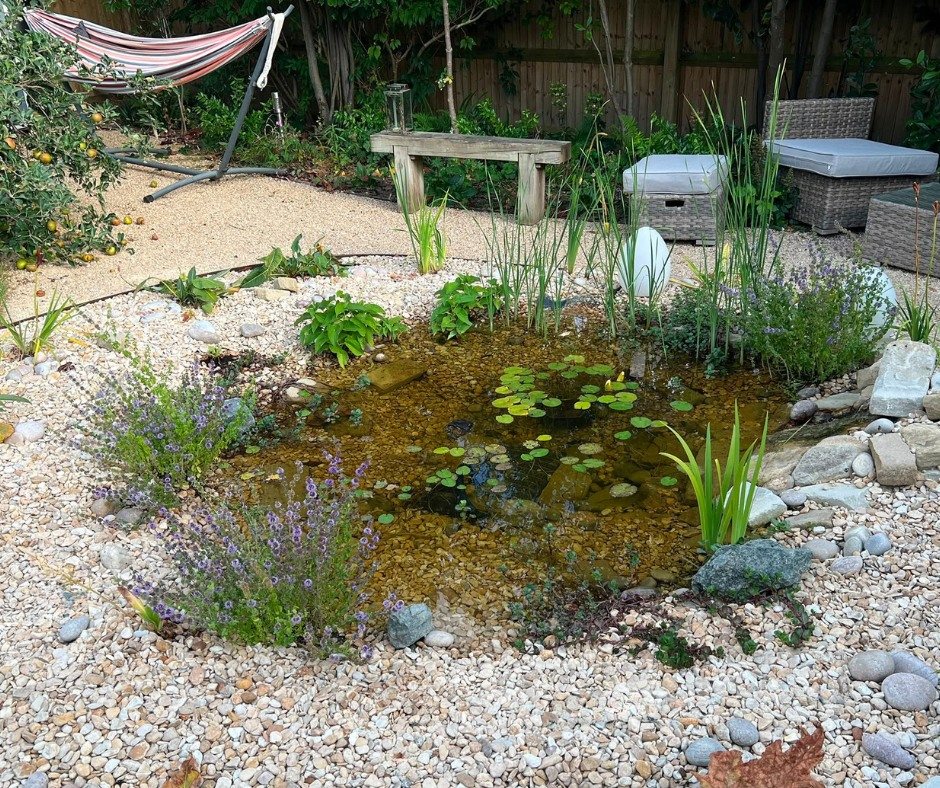
Gravel across the bottom does two jobs a bare liner cannot. The stones shade the rubber from sun damage, and the gaps between them host bacteria that eat the nitrogen fish waste leaves behind.
I used river rock, rinsed first, spread over the liner before filling. The water stays clearer longer; I cut my algae scrubbing by half the first summer.
A bench nearby makes sense because the surface looks finished from day one, not like a construction site waiting to grow in.
The trade is weight. Gravel plus water is heavy; plan your edge support accordingly.
Skip this if you are building on a deck or any structure that flexes.
10. Ceramic Bowl Pond
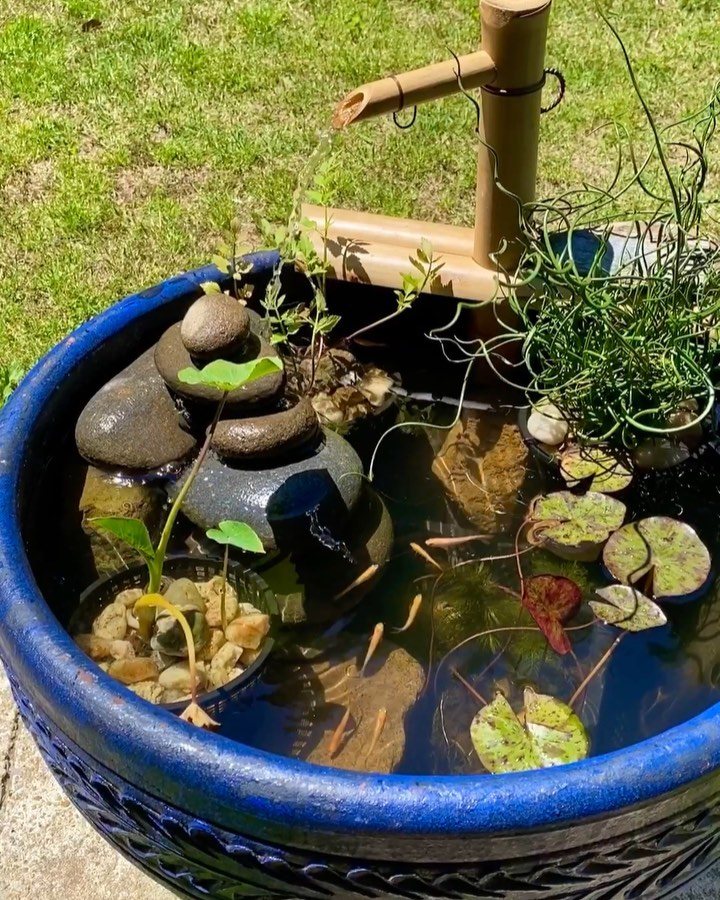
A glazed ceramic bowl already sealed for water is the fastest way to get a pond breathing on your patio.
A dwarf lily, a few floating plants, and a bamboo spout recirculating through a submersible pump complete the whole thing in an afternoon.
No shovel, no liner, no level ground beyond what a table provides.
I would set it where you will see the surface shimmer from inside the house; at this scale, the life in it is the point, not the shape of the container.
The glaze can chip in hard frost. I empty mine before the first freeze and store it dry, plants moved to a bucket indoors.
For three seasons of sound and motion, the effort is minimal and the footprint almost none.
Pond Maintenance Tips
A pump paired with a biological filter pulls out debris and gives the bacteria room to do their work on whatever waste sinks to the bottom.
I would size the pump to the pond volume, not the shelf price; an underpowered unit leaves sludge in the corners and the water cloudy by midsummer.
Aquatic plants pull the extra nutrients out of the water before algae gets a chance to feed on them. Water lilies shade the surface directly, which matters more in afternoon sun.
I skim leaves most often in fall, back off in summer, and stop feeding fish the moment food starts hitting bottom instead of mouths. Extra food sinks and the nutrients come back as green water.
Partial water changes matter more than total refills; replacing a quarter of the volume disturbs the bacteria less.
I clean filters on the schedule the maker gives, not when the flow drops, and I add bacteria treatments in spring when the colony is still waking up.
Pond Placement Considerations
Morning sun and afternoon shade is the mix most plants want. Four to six hours of direct light feeds lilies and marginals; full-day sun in a warm zone turns the water pea-green by July.
Too much shade starves the plants and the bacteria both, so the water goes dull and the surface films over.
I would walk the yard at the hour you plan to dig and note where the shadow falls.
Overhanging trees drop leaves all season and their roots hunt water, so a spot under a maple costs more in skimming and liner repair than it saves in shade.
Check what runs underground before you cut; a call to the local utility line locater is free and the law in most states.
Power for the pump and a hose that reaches the edge matter more than the view from the kitchen window. Good access on all sides means you can net leaves without trampling the border plants.
Safety Considerations
A heavy container sits where a child bumps it and does not tip.
I would pick stone, glazed ceramic, or a stock tank over a light resin bowl if toddlers use the space, and I would sink any in-ground pond so the rim is level with the lawn; a raised edge is a trip point in the dark.
Depth is the main hazard for small children. Shallow water is enough to drown a toddler, and a foot of depth is already worth taking seriously.
A grid just below the surface, or a shallow shelf that occupies most of the area, leaves only a small zone deep enough to be dangerous.
I would not count on supervision; the phone rings, the doorbell goes, and thirty seconds is all it takes.
Pets drink from ponds and fall through thin liner edges. Stone coping that extends past the waterline gives dogs a grip and keeps the rubber liner safe from claw tears.
Aquatic Plants for Ponds
Native plants already fit the weather where you live, so they establish faster and need less replacing.
Marsh marigolds and miniature waterlilies handle the shallow shelf of a small pond; water crowfoot and water violet go deeper and add the sense of a bottom the eye can read.
Floating lilies block light that would feed algae and give fish somewhere to hide from herons.
A balanced pond is mostly plant by weight. The foliage does the filtering that a mechanical unit cannot finish alone.
I would avoid anything invasive to your state; a plant that escapes a container pond into a local waterway is a fine you mail to yourself. Check your department of natural resources list before you order.
Frequently Asked Questions
How deep should a backyard pond be?
Twelve to eighteen inches handles a small decorative pond without fish. Goldfish manage at eighteen inches, but koi want three feet so they can drop below a frozen lid and still swim.
Shelves at six to twelve inches let marginal plants sit with their feet wet while deeper water protects fish from temperature swings.
Can I just dig a pond in my backyard?
You can, but a liner and some preparation keep it from becoming a muddy hole. I would cushion the liner with newspaper, old carpet, or sand so roots and stones do not punch through.
Vertical sides make hiding the liner easier, and checking for utility lines before you start saves a ruined afternoon.
What is the cheapest way to make a pond?
An old bathtub or sink skips the liner entirely since the porcelain already holds water. Stock tanks and sealed wooden boxes run a close second, and a glazed ceramic bowl with a bamboo spout gets you there in one afternoon.